© 2026 STGMNN Labs UG (haftungsbeschränkt) · PiltoverArchive.com. Piltover Archive was created under Riot Games' “Legal Jibber Jabber” policy using assets owned by Riot Games. Riot Games does not endorse or sponsor this project.
 Calm
Calm Order
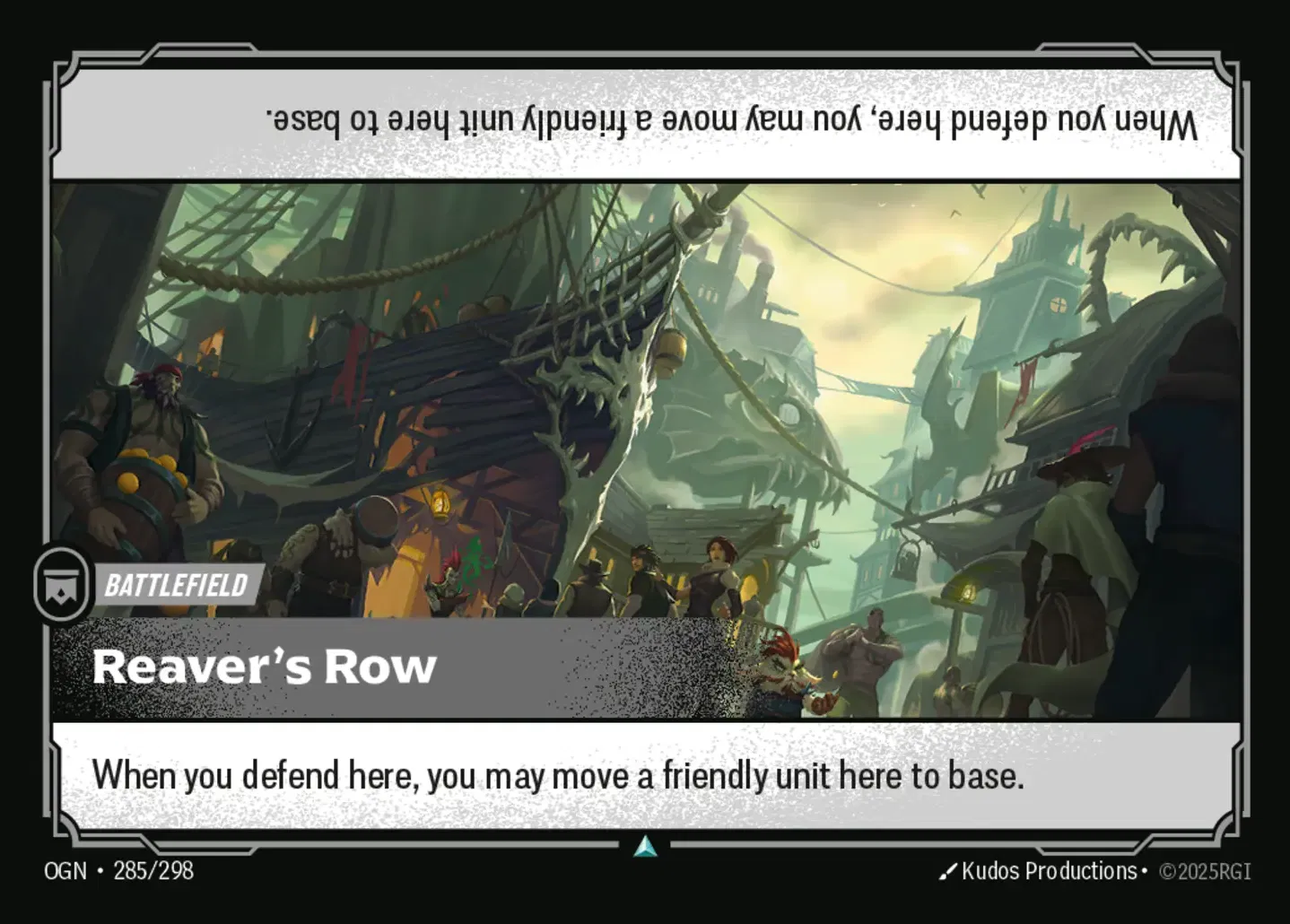
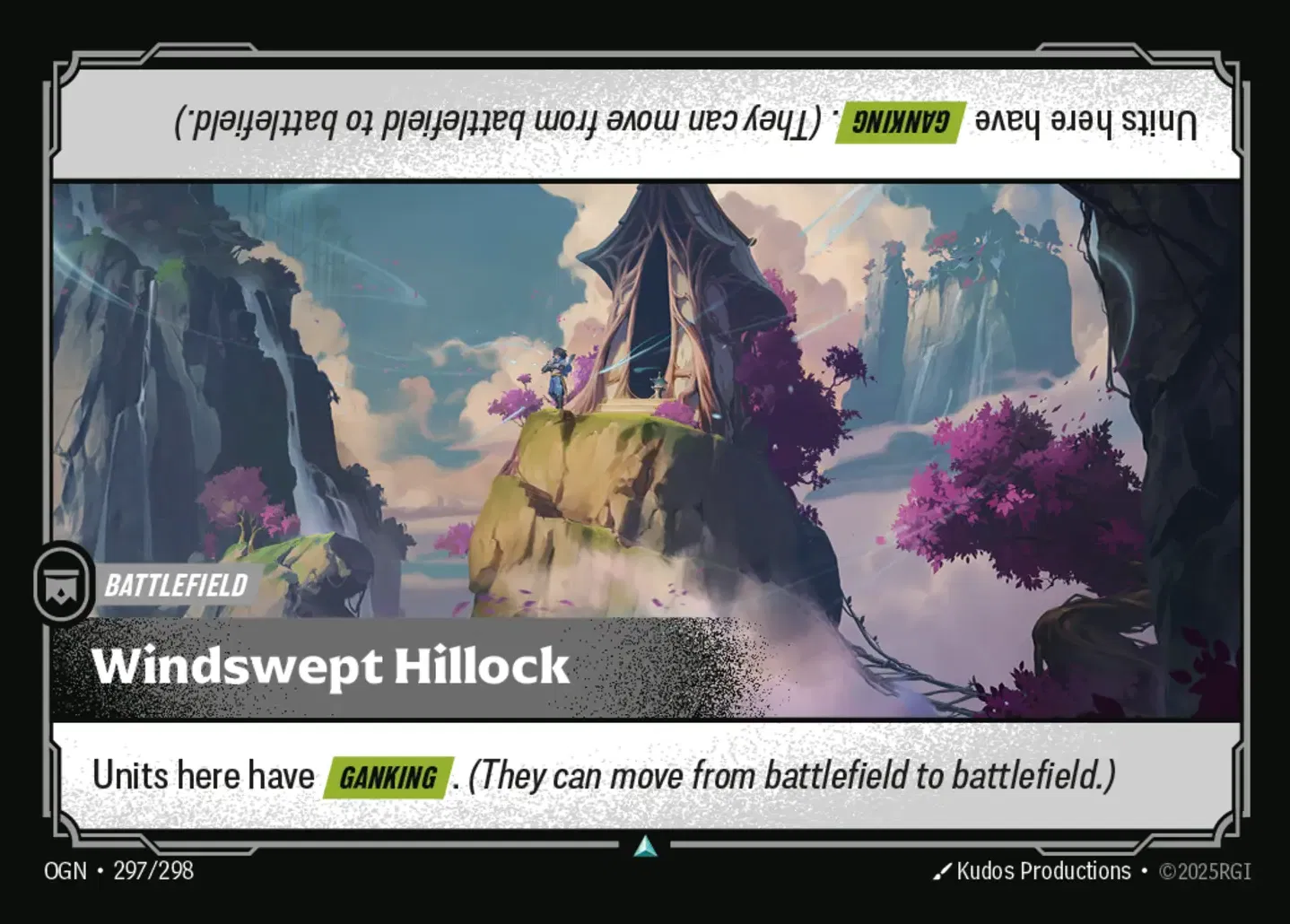
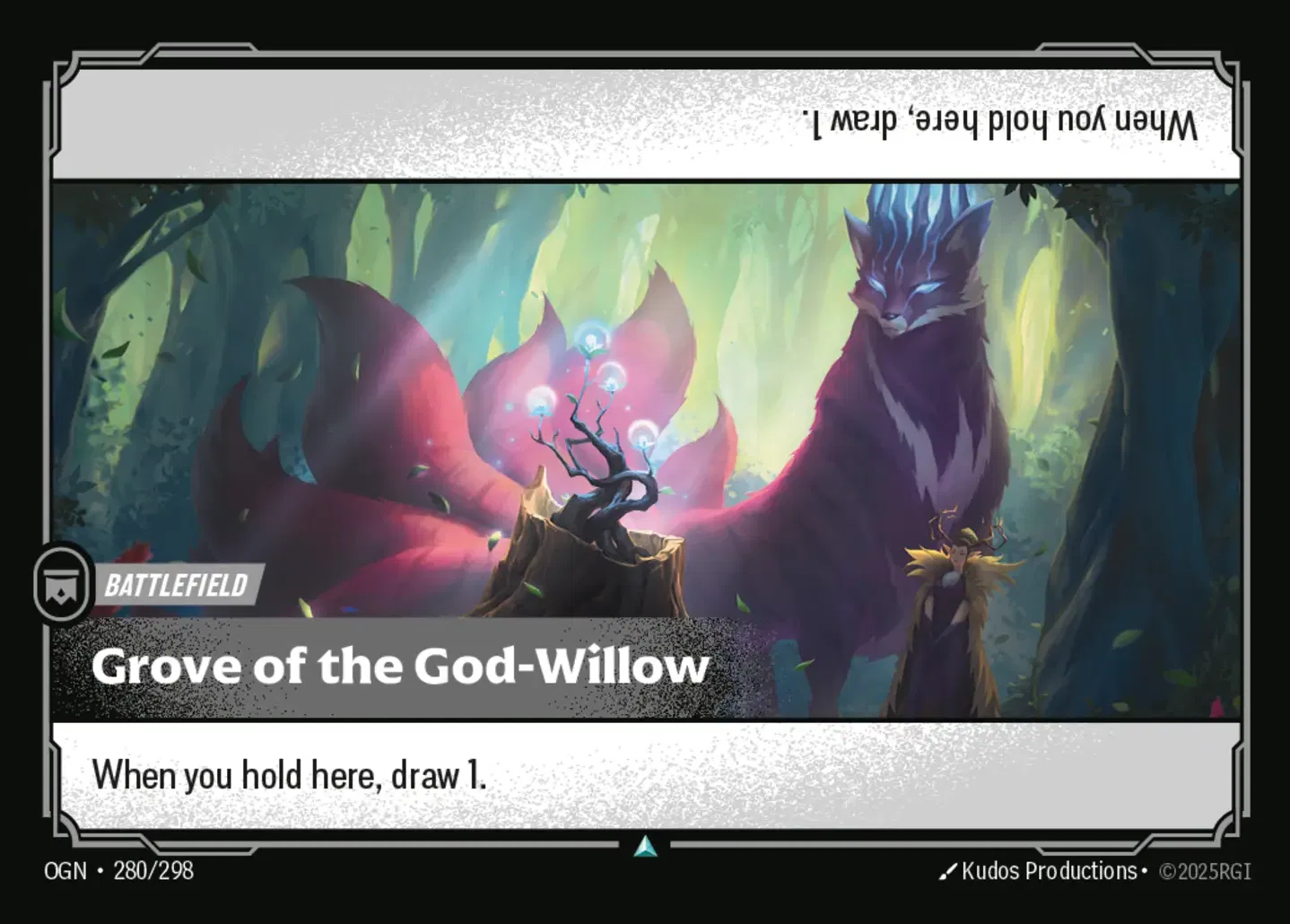
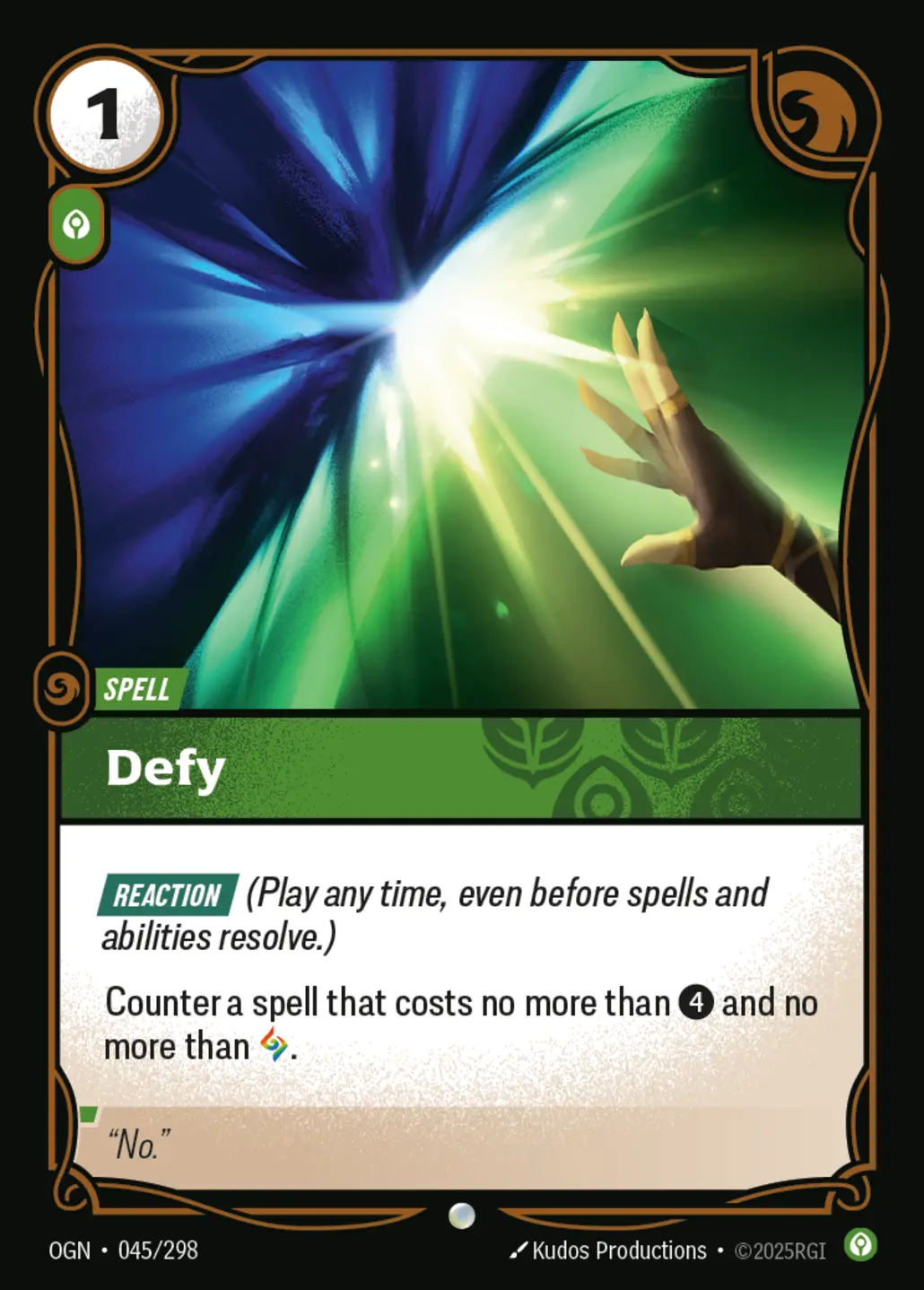
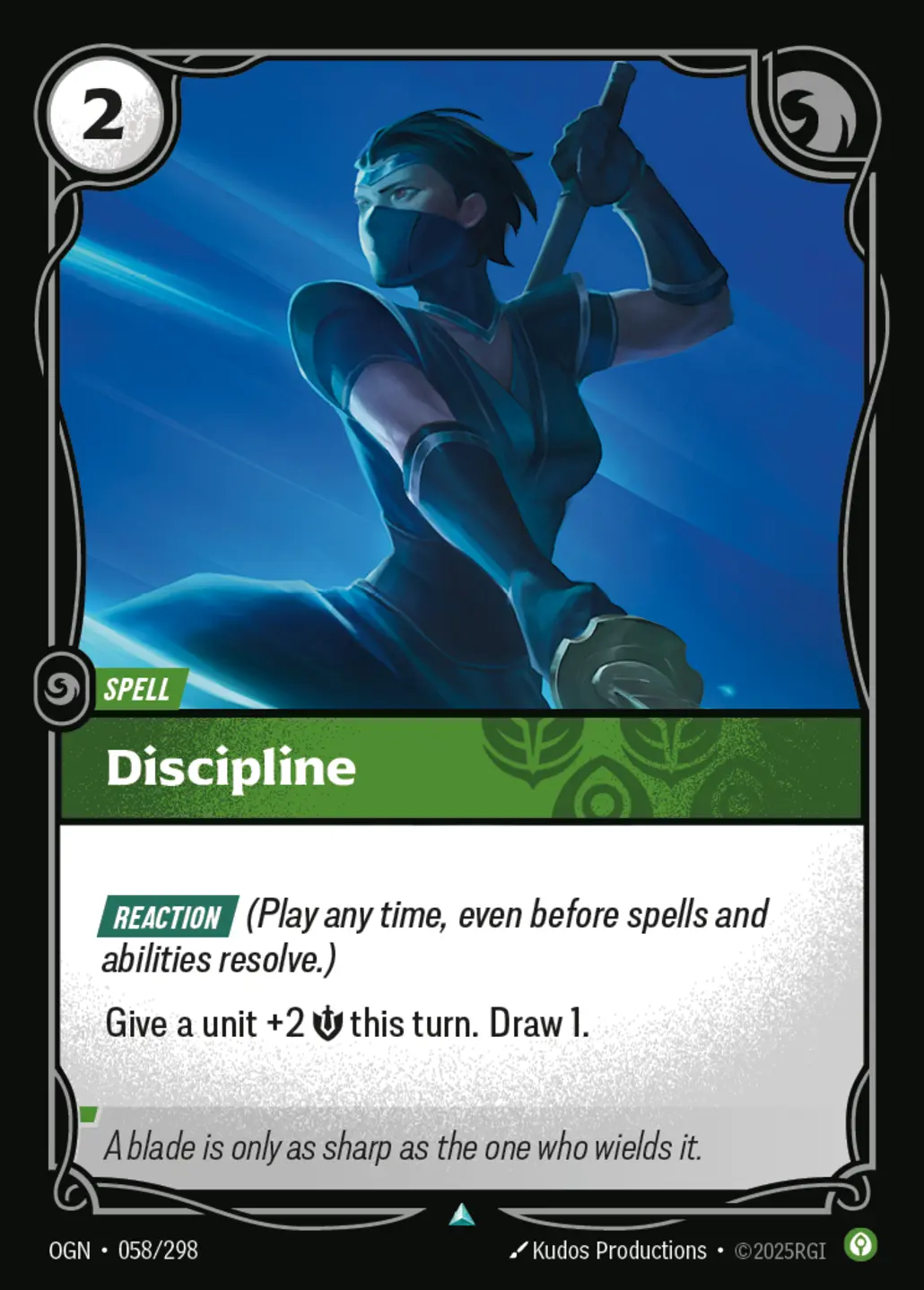
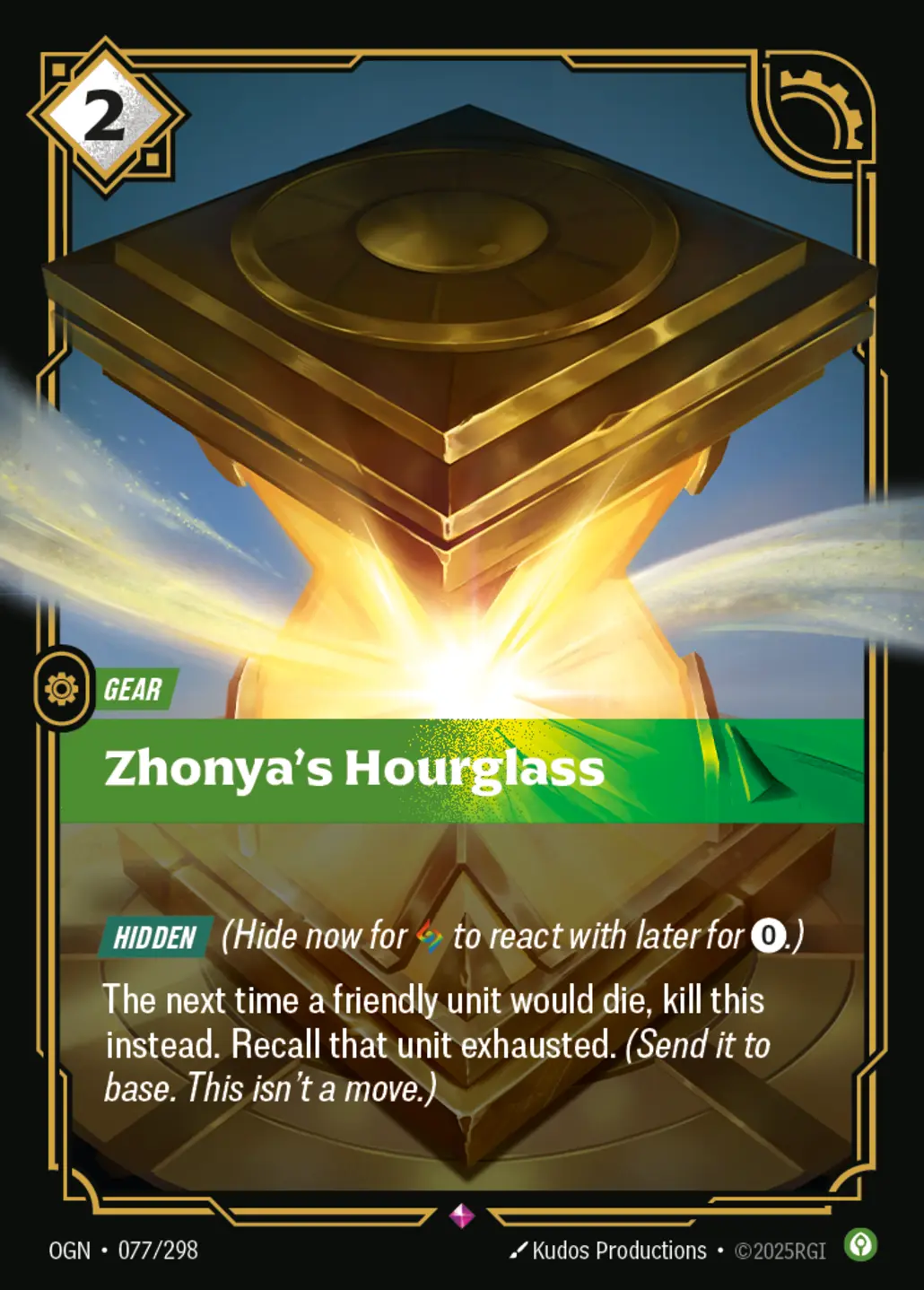
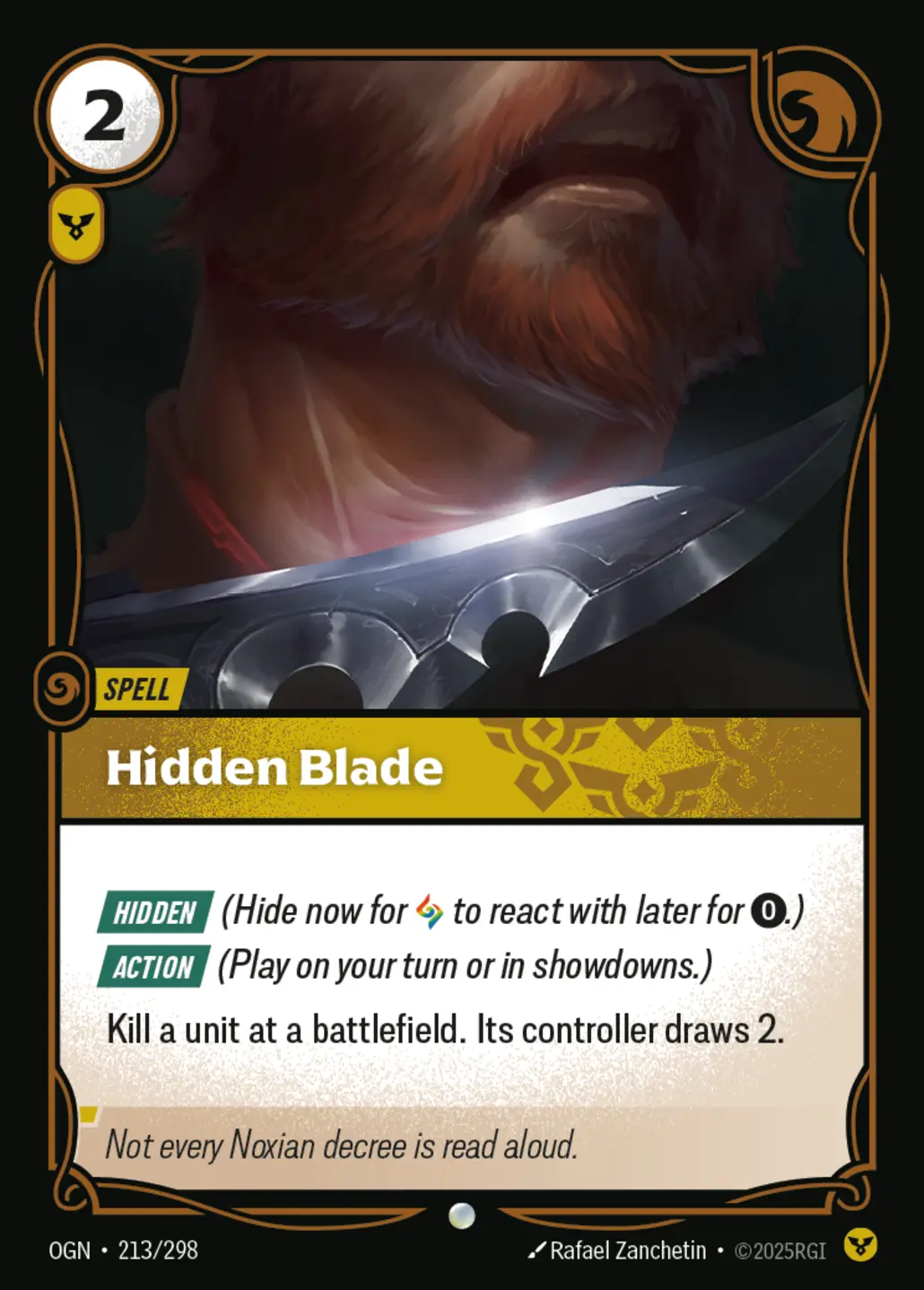
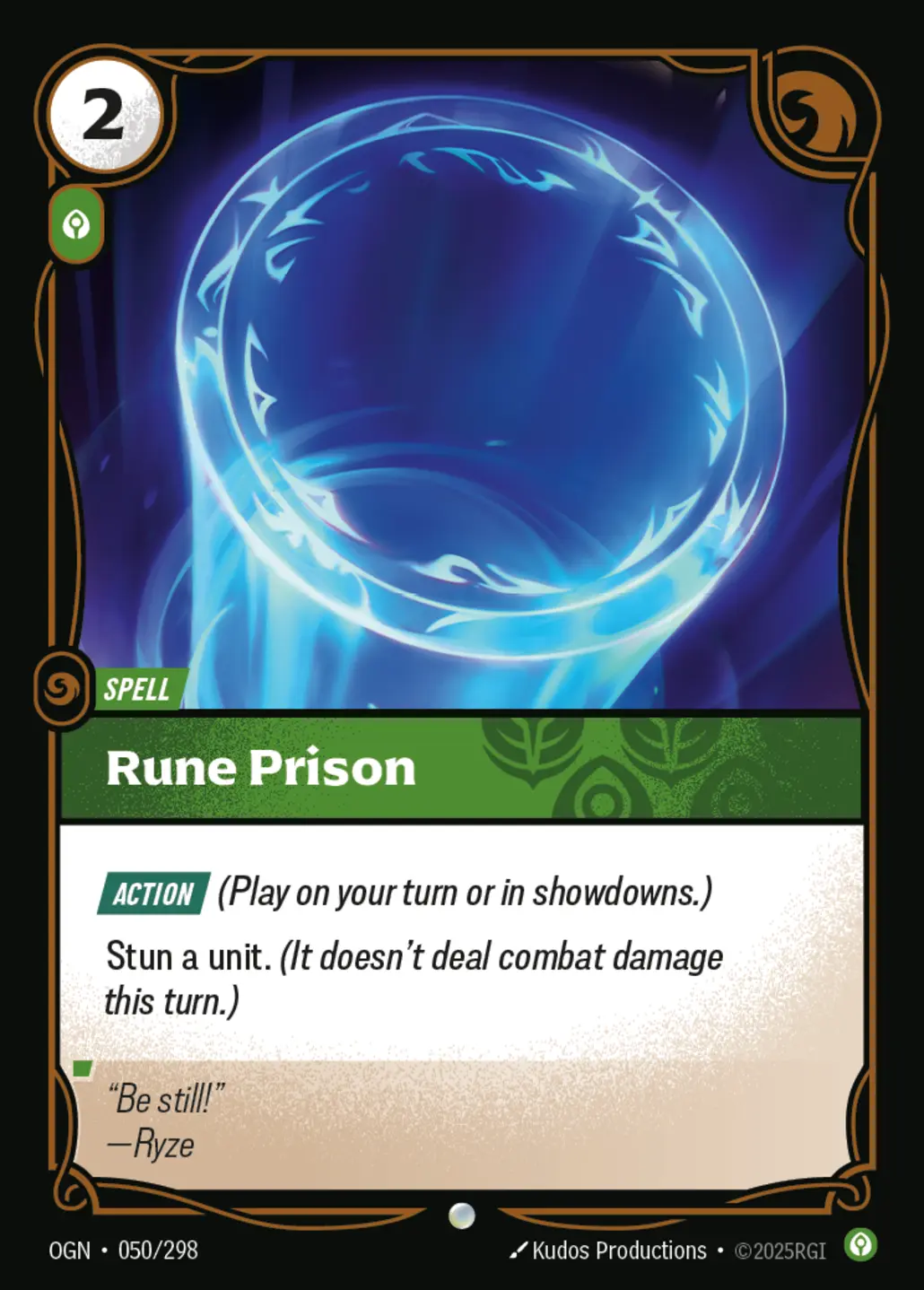
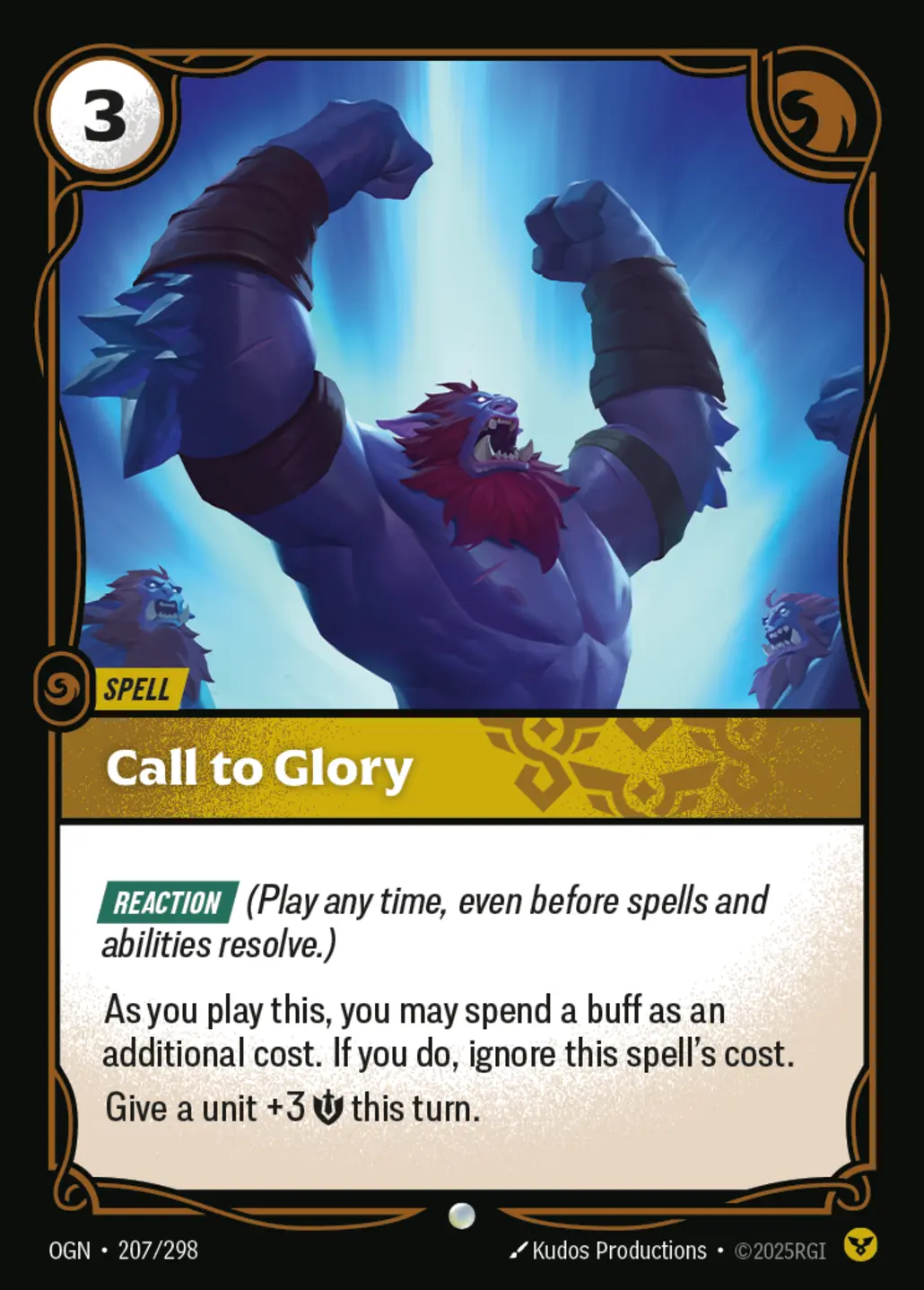
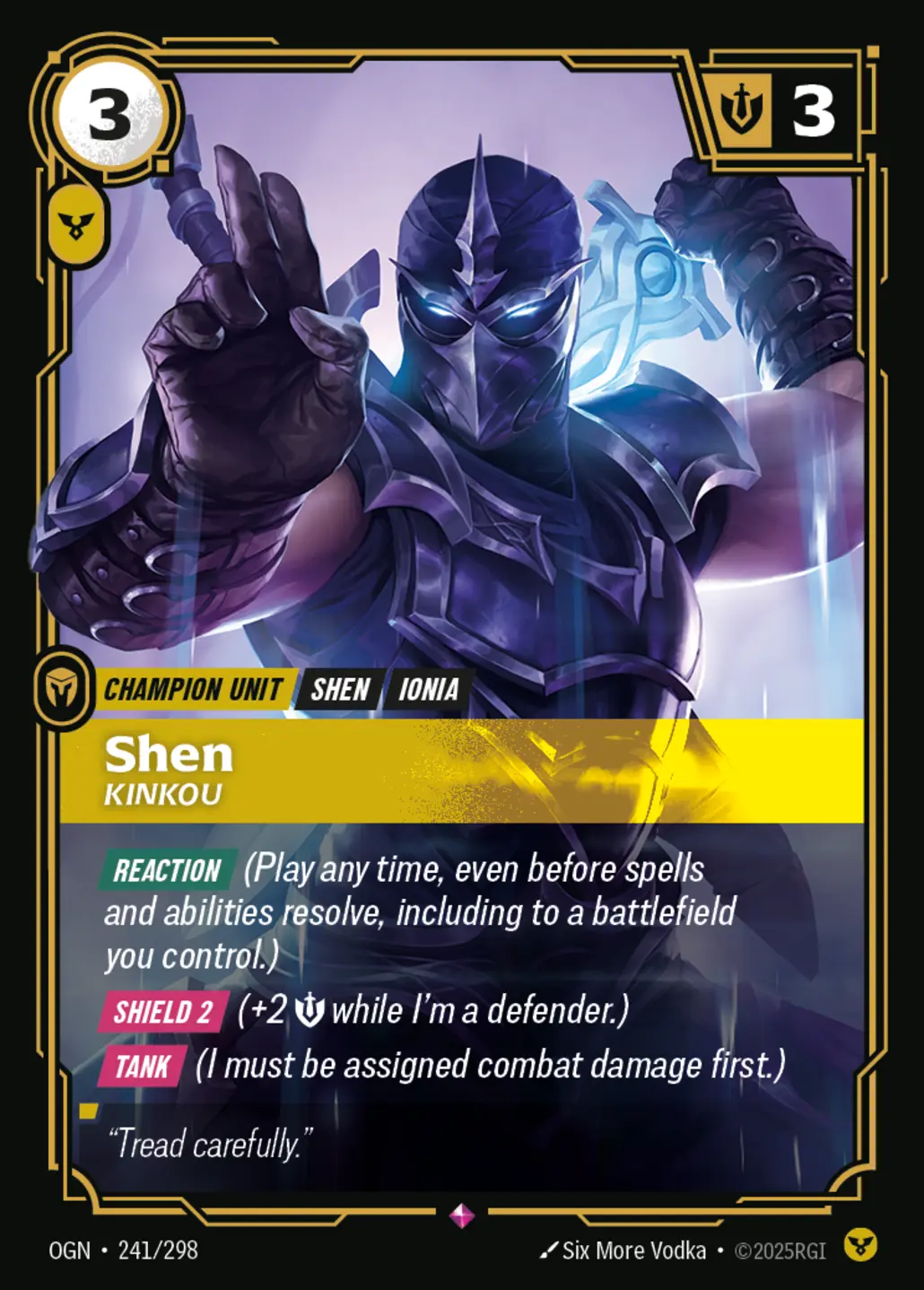
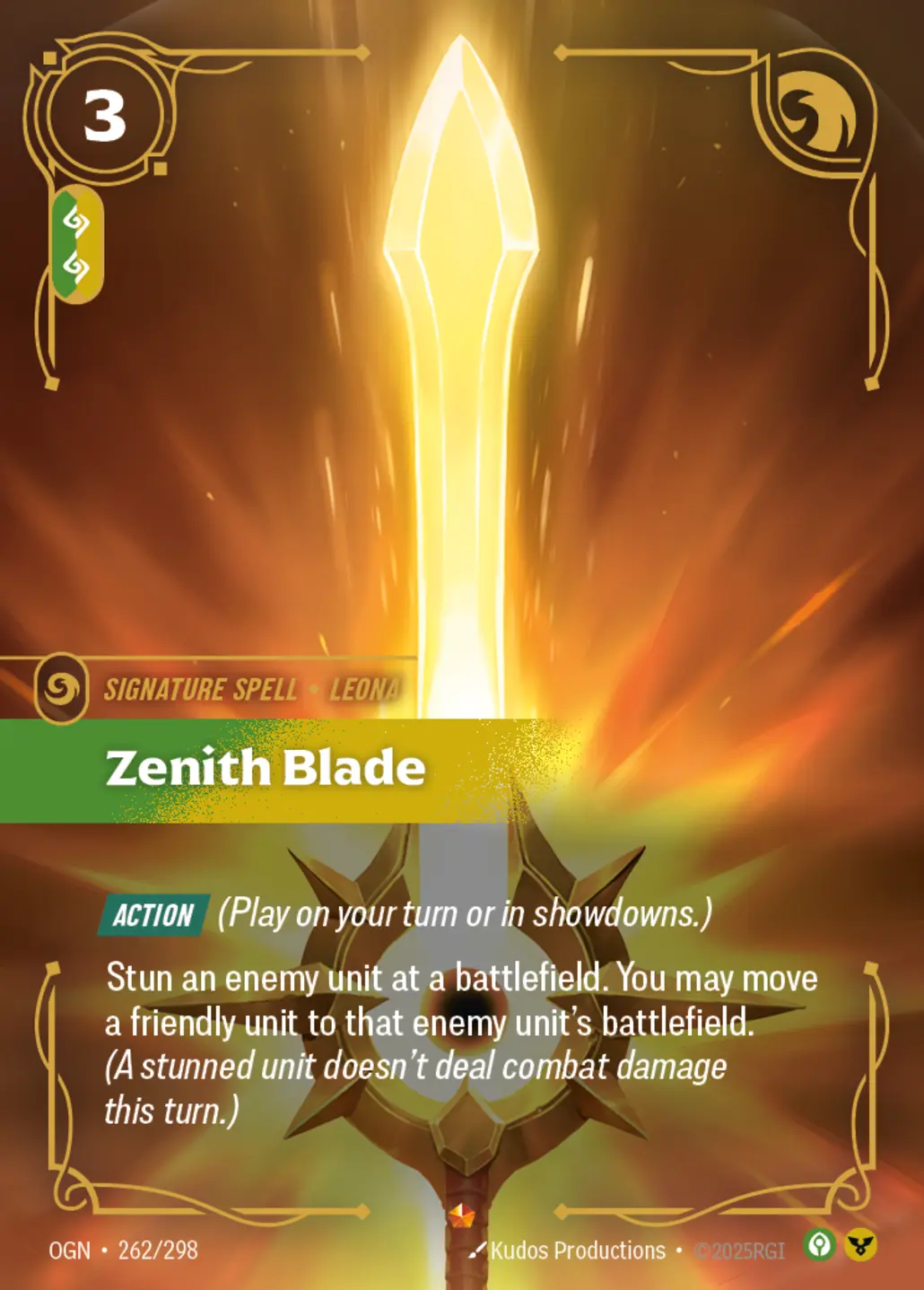
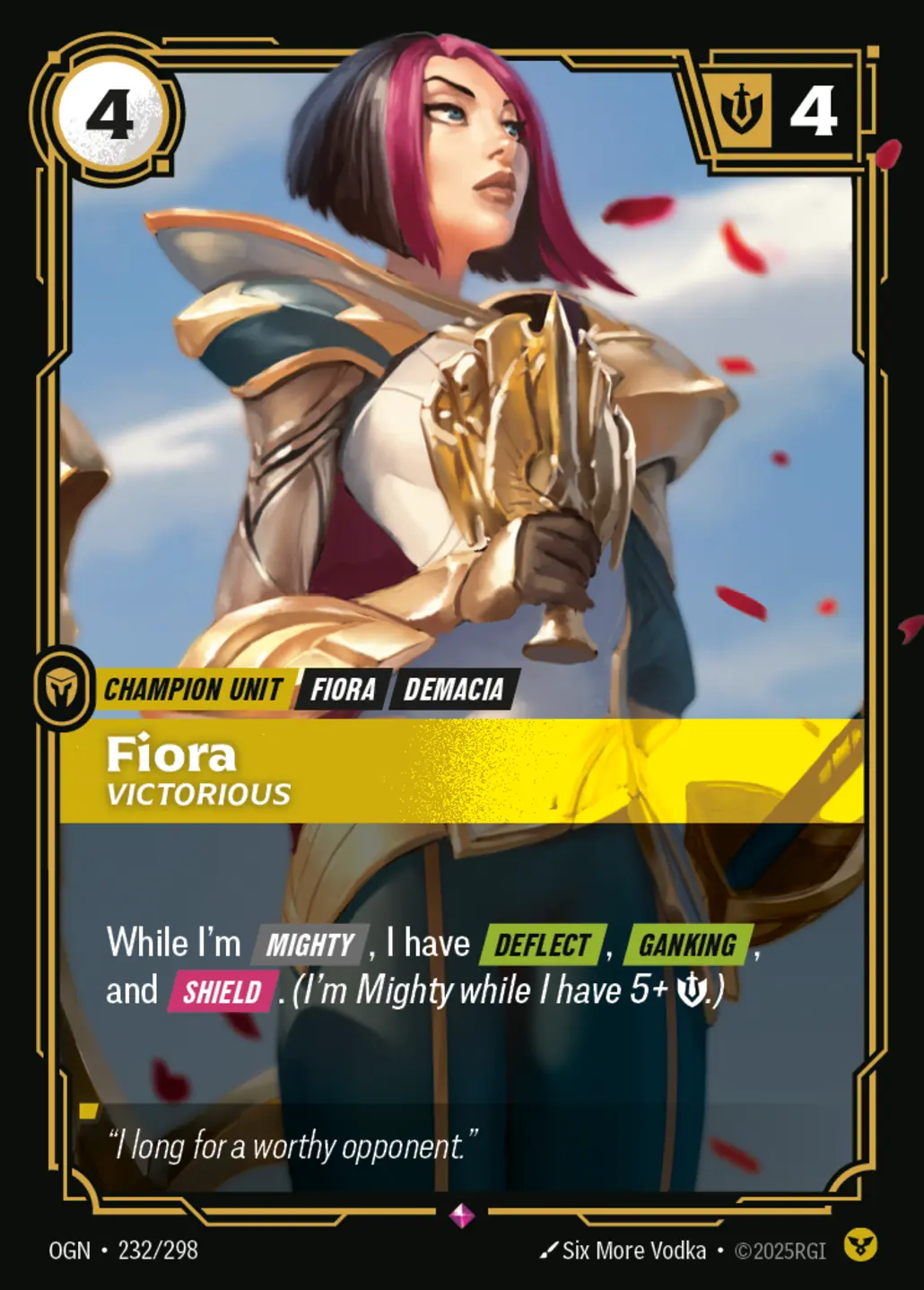
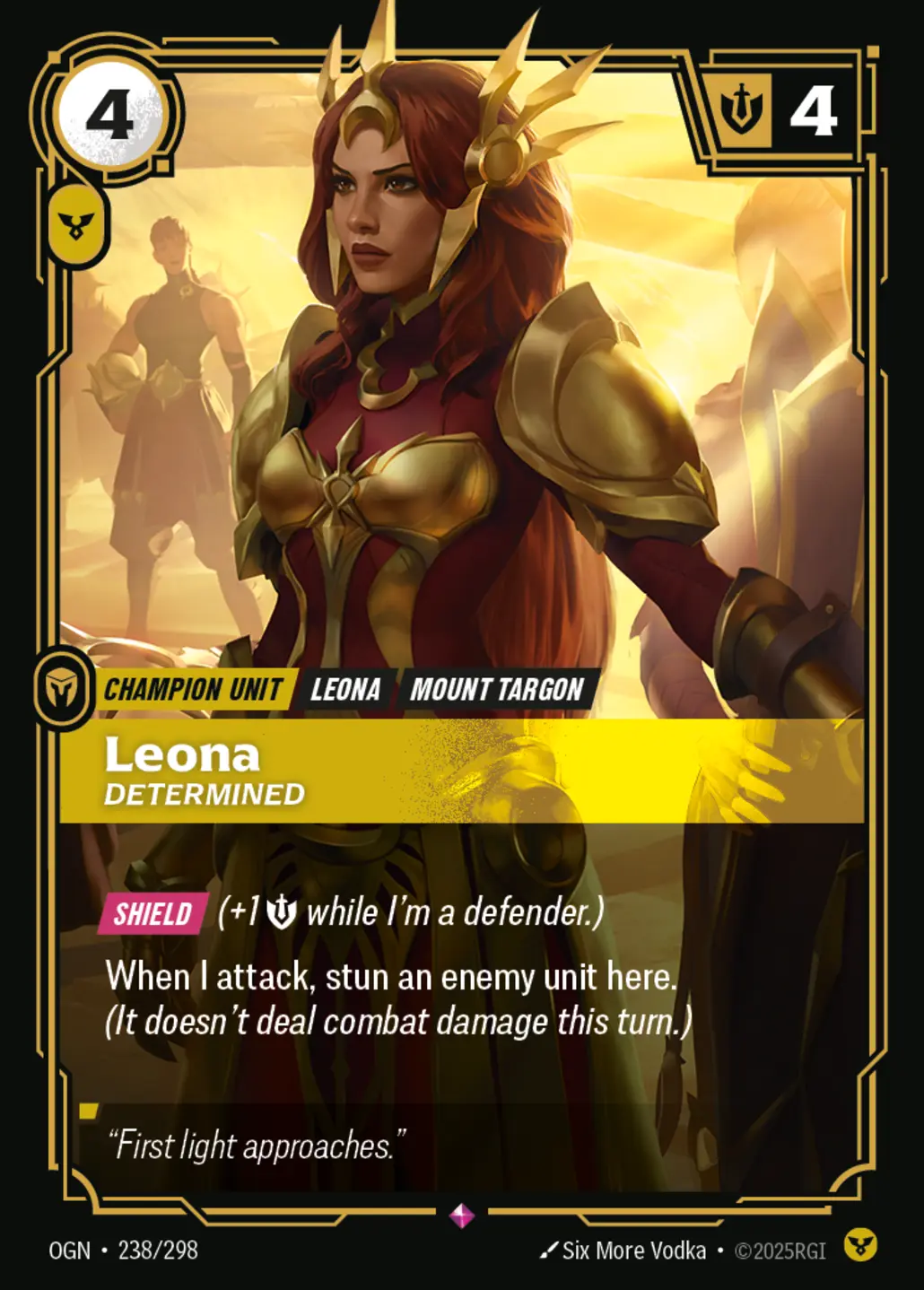
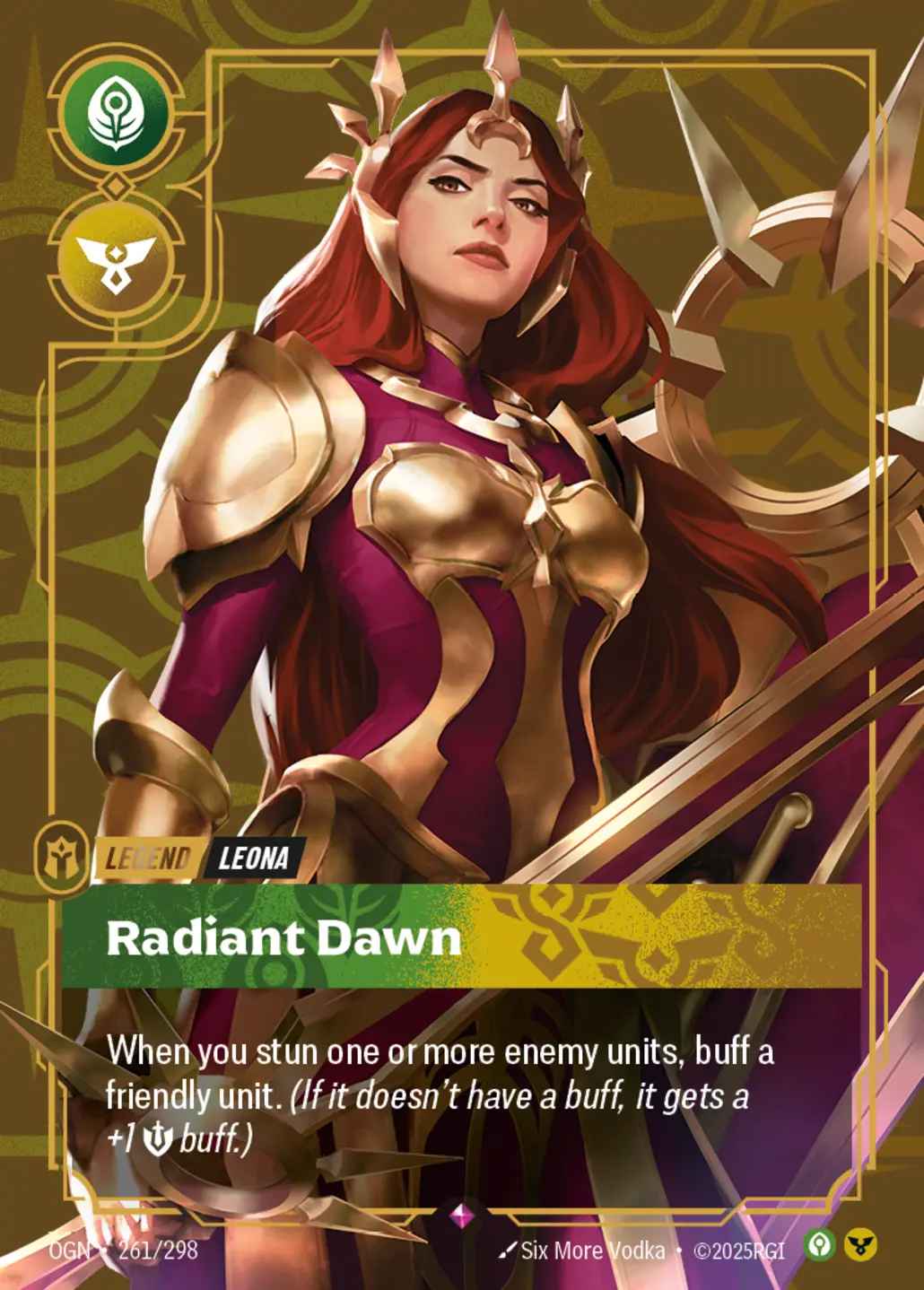
OrderMatchup History: Game 1: Viktor 0-2 Game 2: Master Yi - 2-0 Game 3: Kai'Sa 2-0 Game 4: Kai'sa 2-0 Game 5: Kai'sa 2-0 Game 6: Viktor 0-2 Battlefields: Game 1 is a toss-up between Windswept Hillock and Reaver's Row. It all depends on the matchup and how often you can get value from Leona ganking through Windswept. Against decks like Kai'Sa, I liked going Reaver's game 1. On the other hand, against decks that were bad at holding/defending, I would go windswept. Going first, you always pick Grove, and going 2nd, you choose whichever battlefield didn't get picked for game 1. Opening Hands: You have 2 types of openers when you play this deck. Sona Opening: Here your opening hand would consist of Sona + 2 cost units + any way of keeping Sona alive. You would attempt to conquer an empty battlefield at the start of your turn 2 and then play Sona straight to the controlled battlefield. From here you use your buff spells and stun cards to keep her alive, as well as using meditation to keep your hand filled. 2. Cost: Standard opener where we want to open a 2-cost card (can be Zhonya's too); on turn two most of the times we play Leona from our champion zone. This is where your deck is at its most vulnerable state, as cards such as Falling Star can do huge damage to your tempo here. From there we use Leona's stunning ability to buff our units (specifically Fiora to enable her) and use units such as Shen to counter Watcher when he comes down. Notes: Our deck wants to slow down the pace of play, using our really efficient 4 costs to gain slow advantages throughout the game. Our opponent's attack on us should be easily thwarted by either buffing or stunning, and we can easily conquer with Leona and her ability. The deck also plays really well when behind on points, often winning games from as high as a 5-point deficit. Our four costs are our major win cons here; Fiora and Leona are both when both buffed with 5 might units with shields. This makes them pretty hard to deal with, dodging spells such as void seeker and requiring multiple procs for both falling star and rain. You'll be recycling a lot of runes while playing this deck, so it's important to always account for your total amount of runes in your upcoming turns when deciding on making plays. Additionally, it's perfectly fine to pass without playing anything if you feel like you have a good hold on the game and don't want to overextend into cards such as singularity and icathian rain. This then allows you to play reactively on your opponent's turn. Zenith Blade is also one of our strongest cards. We can use this similarly to how Ride the Wind is used in purple decks, where we wait on an opponent to attempt a conquer on our battlefield just to score a conquer and usually a hold on the other battlefield when we move there (especially when we use it with Leona, being able to stun 2 units at a battlefield when moving). Call to Glory is also very important in this deck, as it always threatens a +3 buff if you have a spare buff anywhere on the battlefield at 0 runes. This can be used to bluff or bait opponents into making bad plays. Overstaying: Most damaging spells in this game can only affect the battlefield, meaning that it's the most dangerous place a unit can be in. When provided sufficient runes, spells such as call to glory and discipline can allow a unit to circumvent this danger and score a holding point. However, when low on mana and tricks, it's often the correct play to recall a unit after holding a point and trying to conquer when you have full runes on the next turn. Matchup knowledge is also important, but as a general rule any decks looking to conquer always want to be on an even amount of points (1->2->4->6->8), which means we never want our opponent to reach 6 points, as they can win with the myriad of blowout cards available (think time warp, watcher, ride the wind + vi/mundo). What this also means is that we shouldn't stress as much when our opponent is going to an odd score such as 3 or 5, as it doesn't mesh with their game plan as well. Alternatively, hold decks want to reach 7 points so they can hold to win. Here it's the opposite case, where our opponents want to be on an odd play pattern (1->3->5->7->8), with us not minding if they go to an even score as much (6 is still a danger zone no matter the deck).