© 2026 STGMNN Labs UG (haftungsbeschränkt) · PiltoverArchive.com. Piltover Archive was created under Riot Games' “Legal Jibber Jabber” policy using assets owned by Riot Games. Riot Games does not endorse or sponsor this project.
 Body
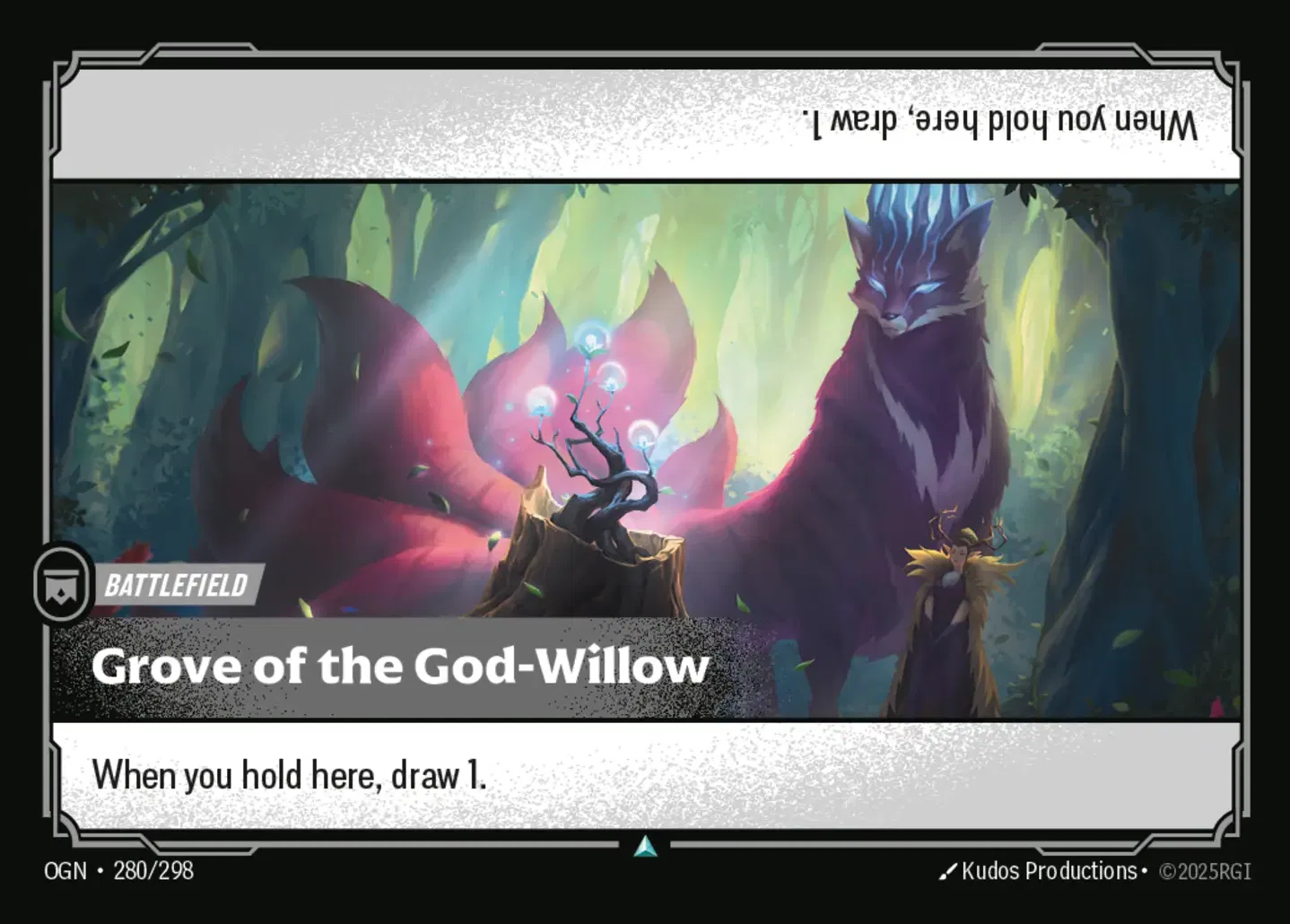
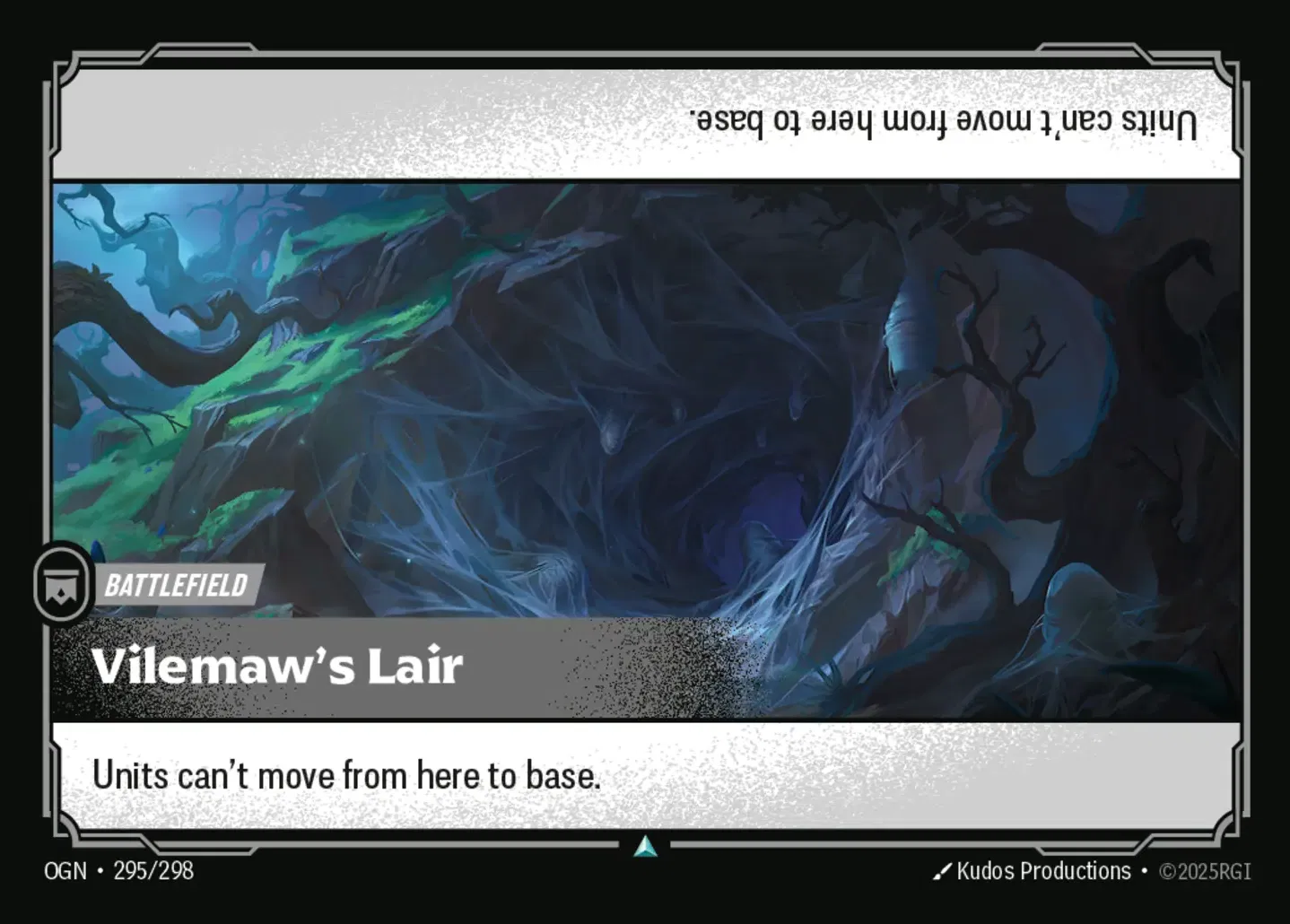
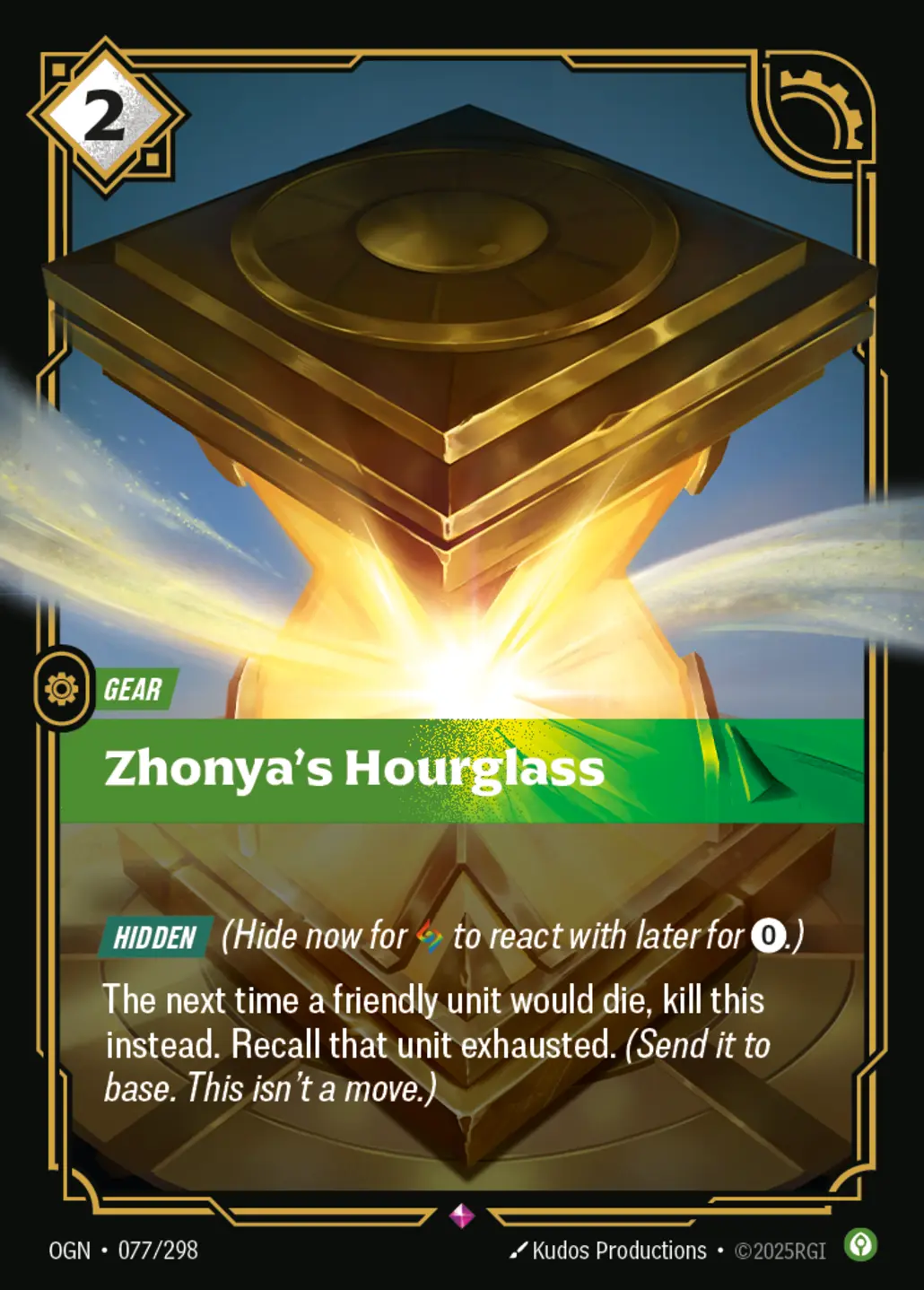
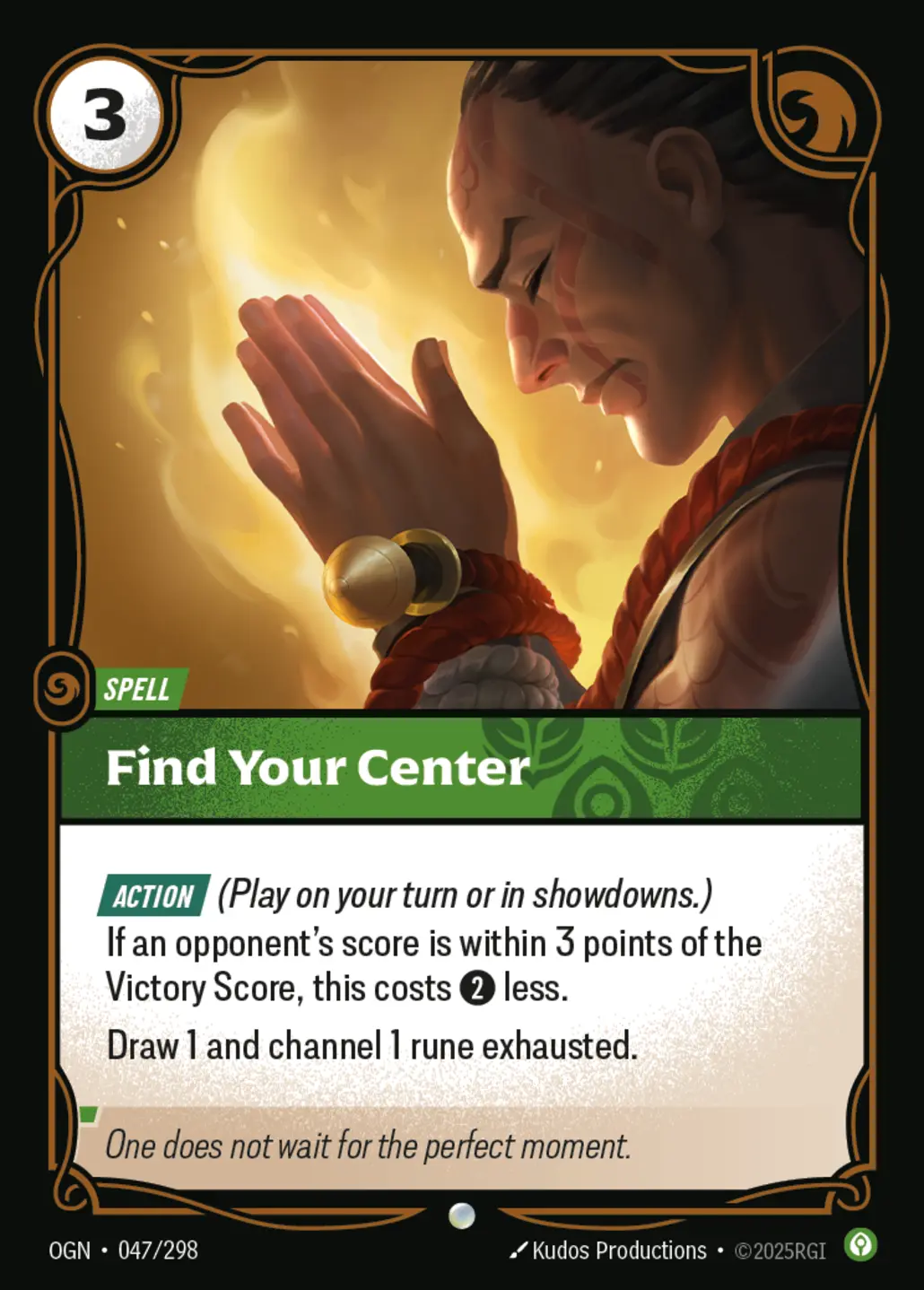
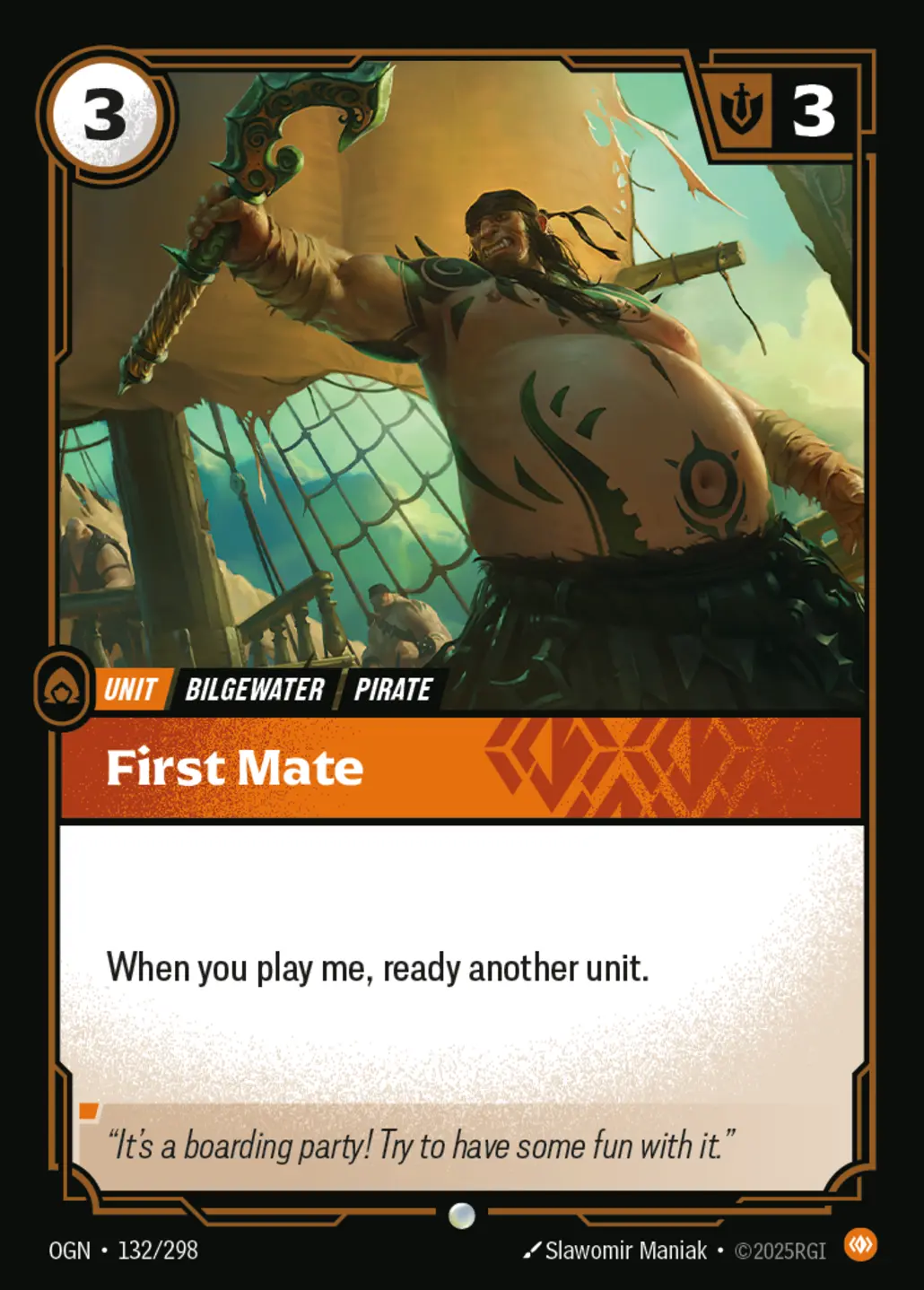
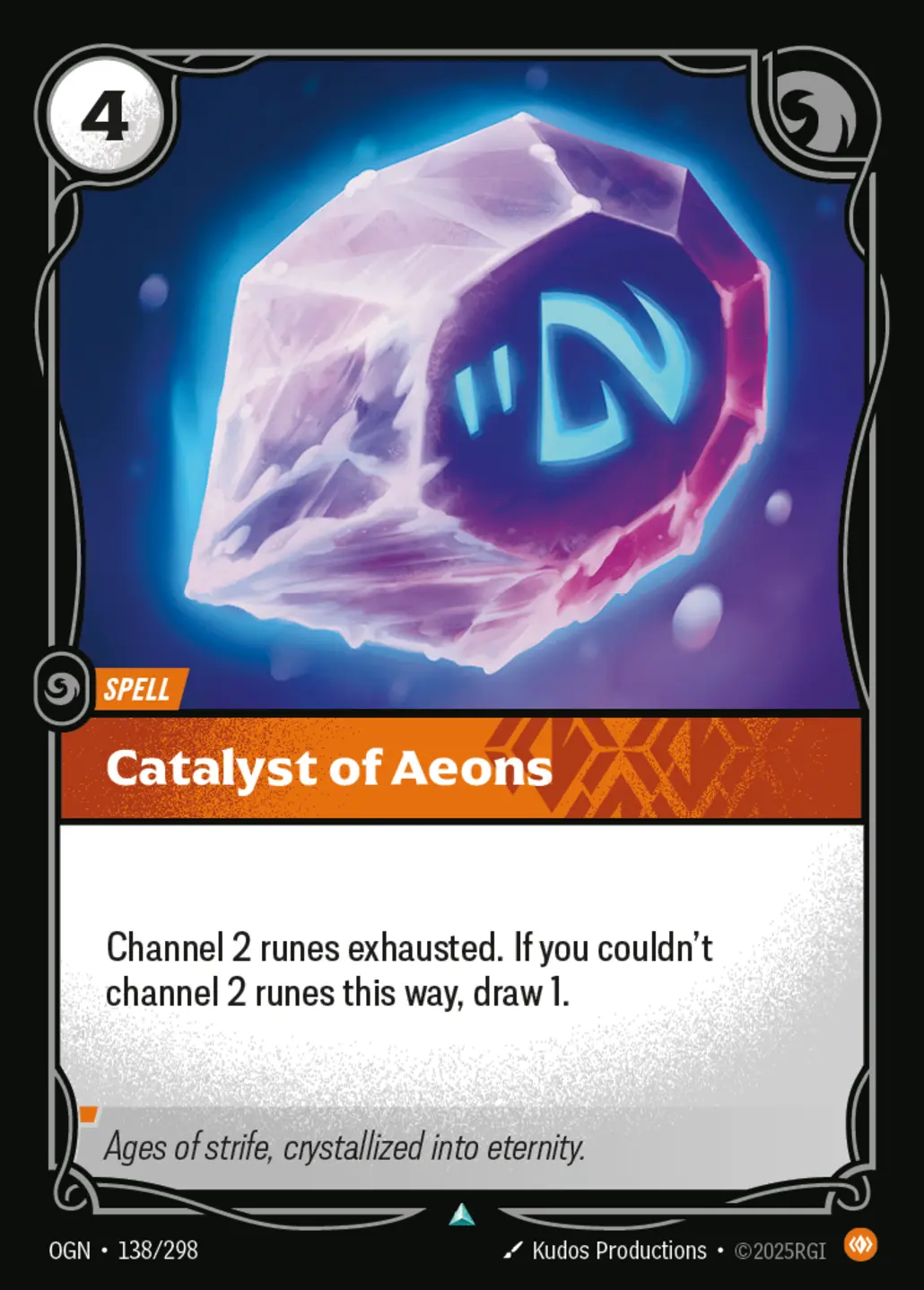
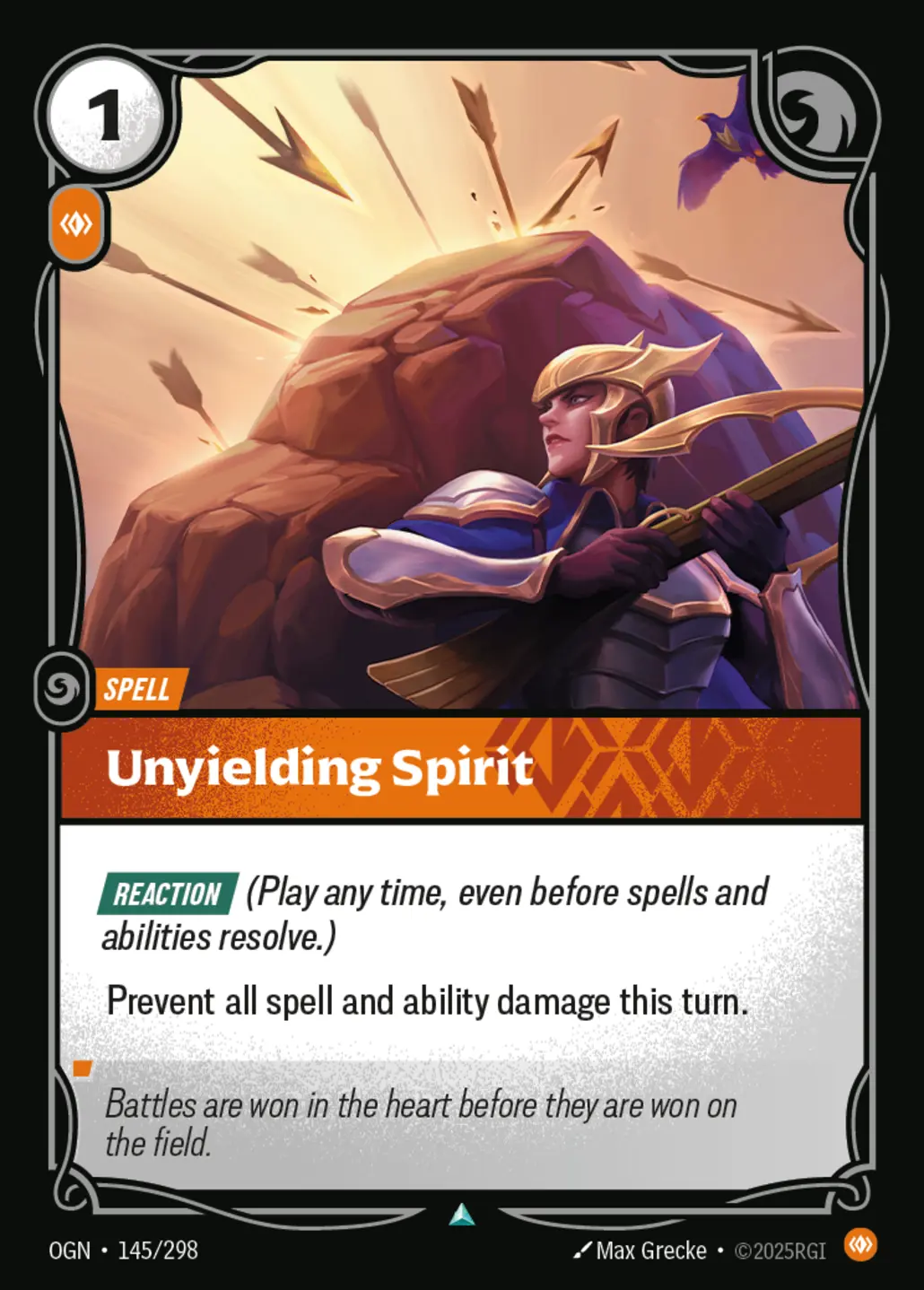
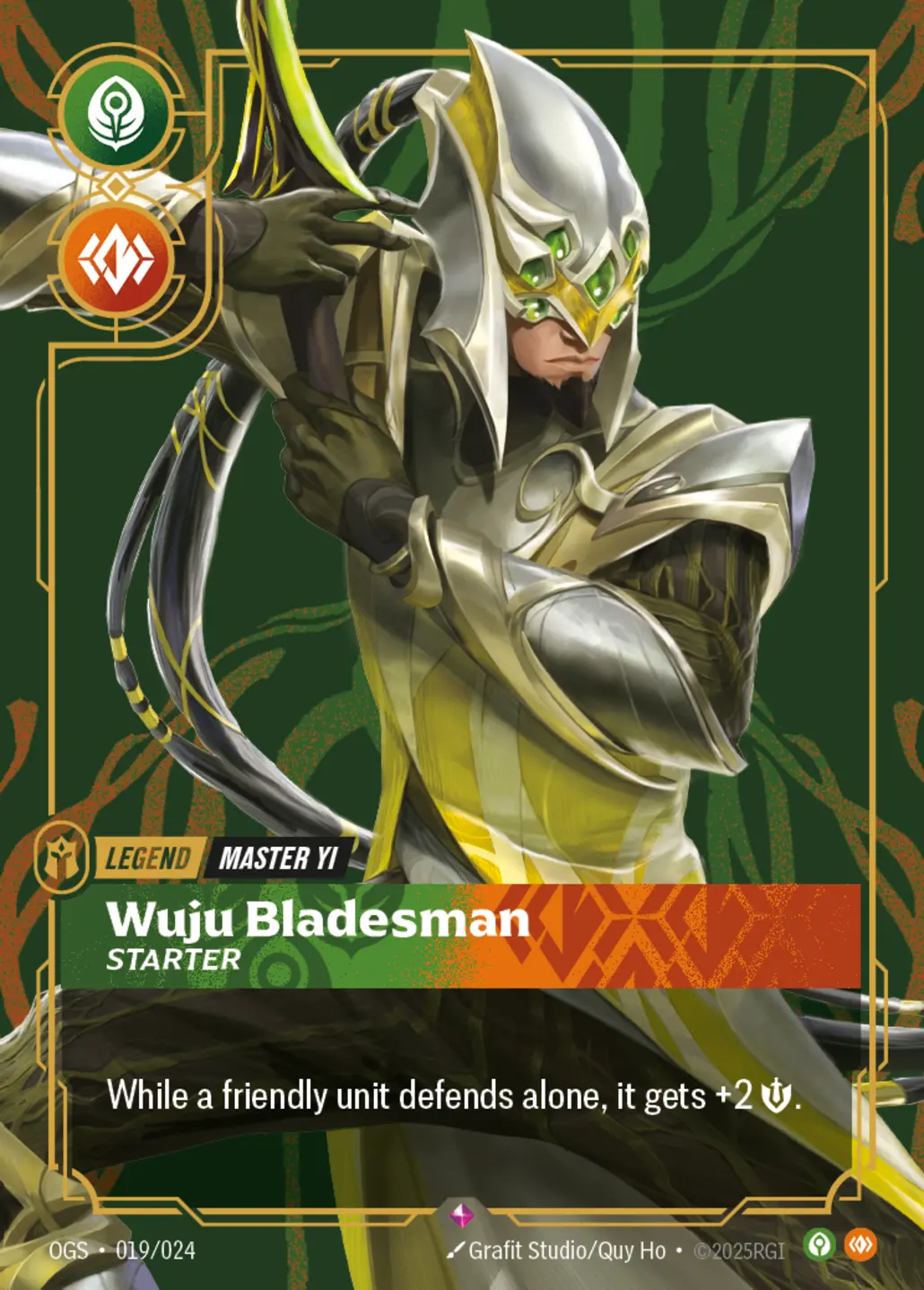
Body Calm
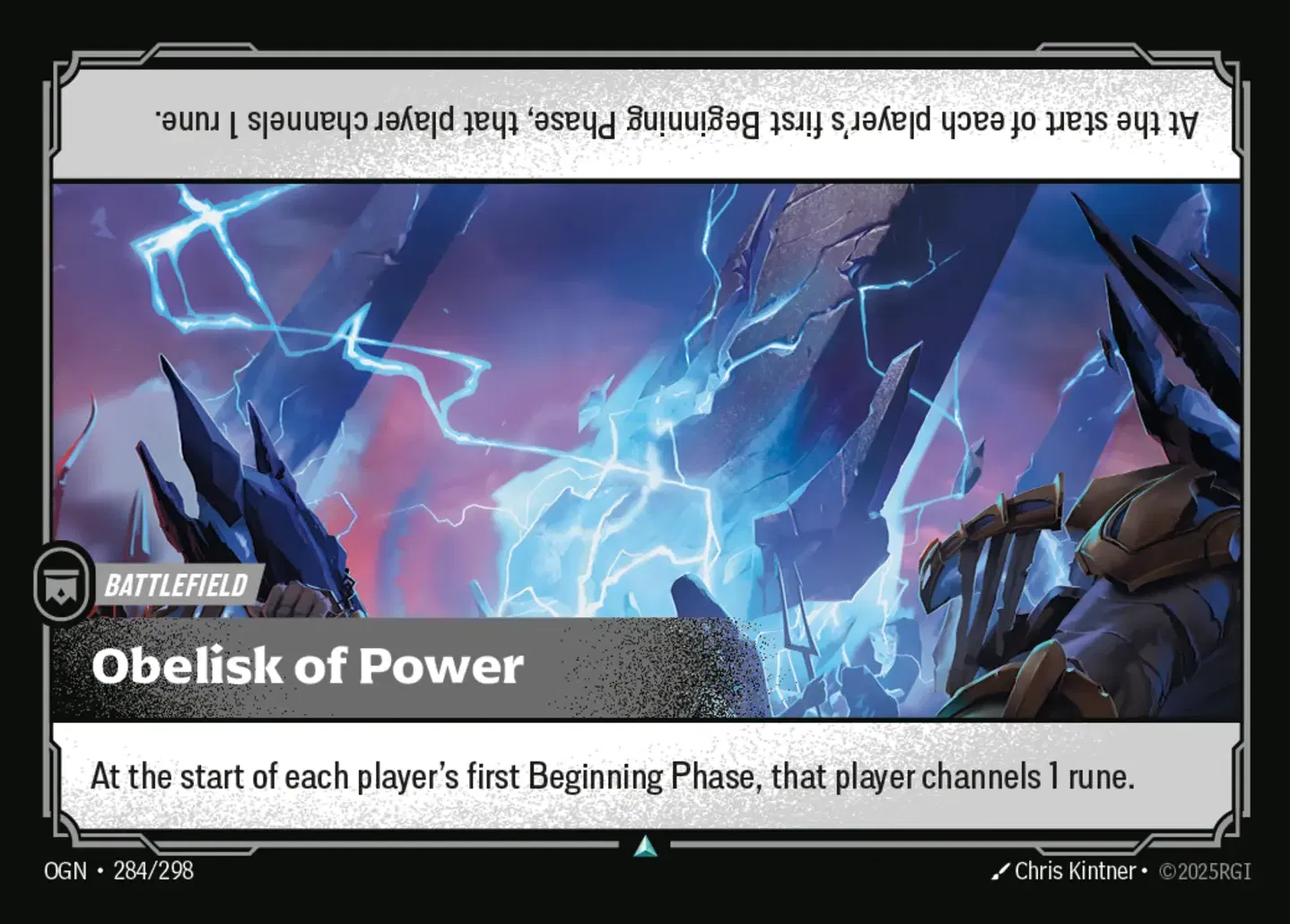
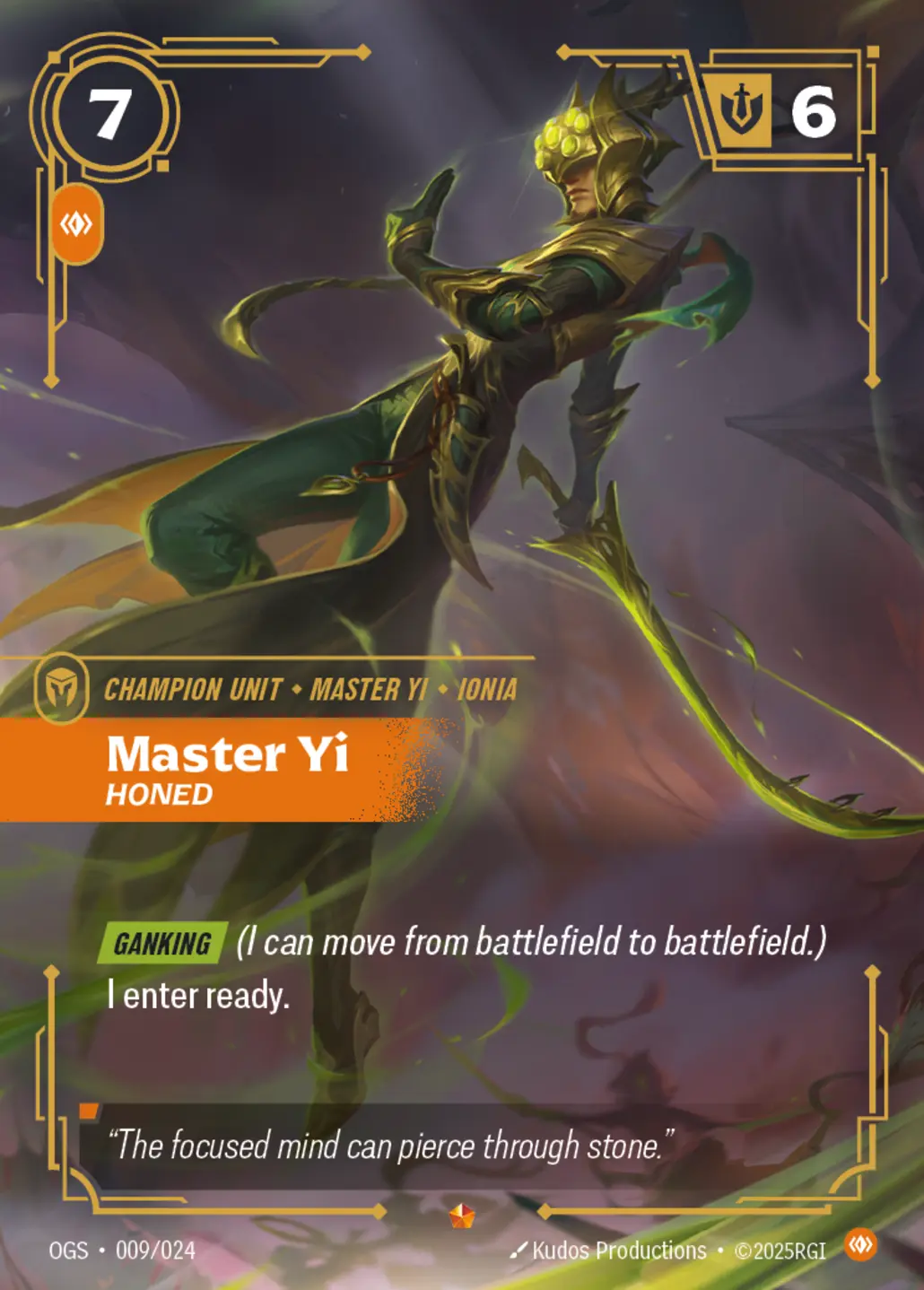
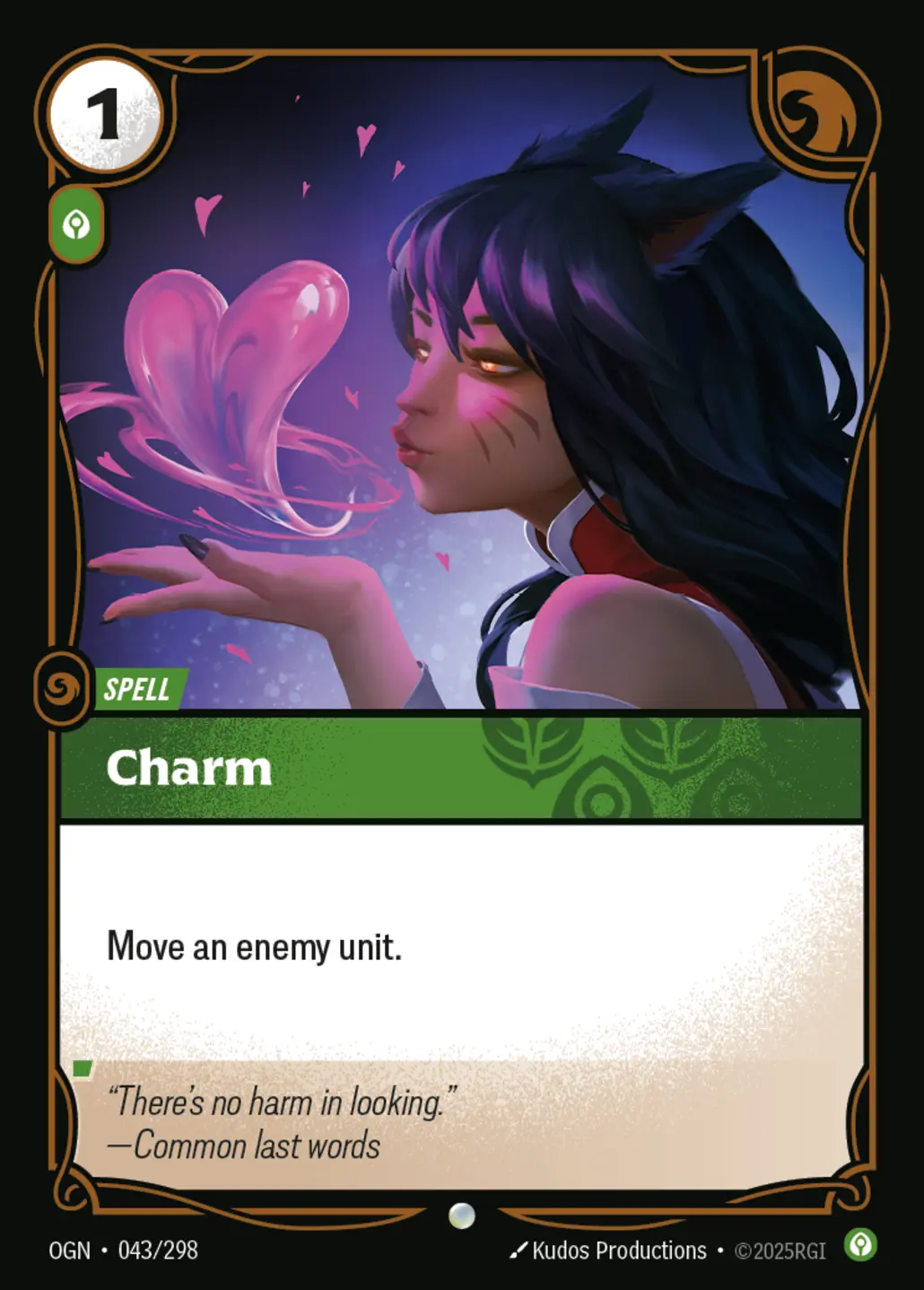
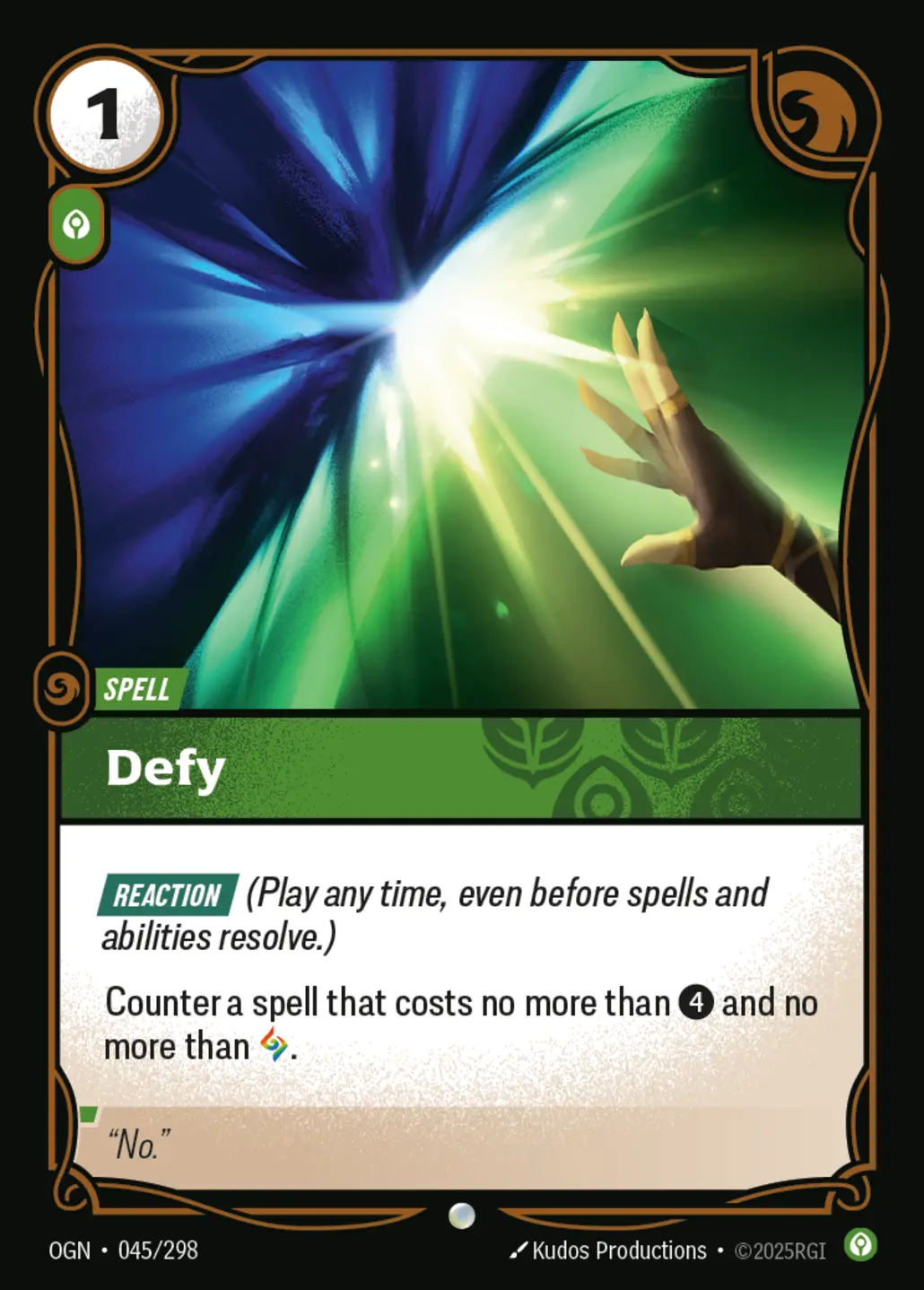
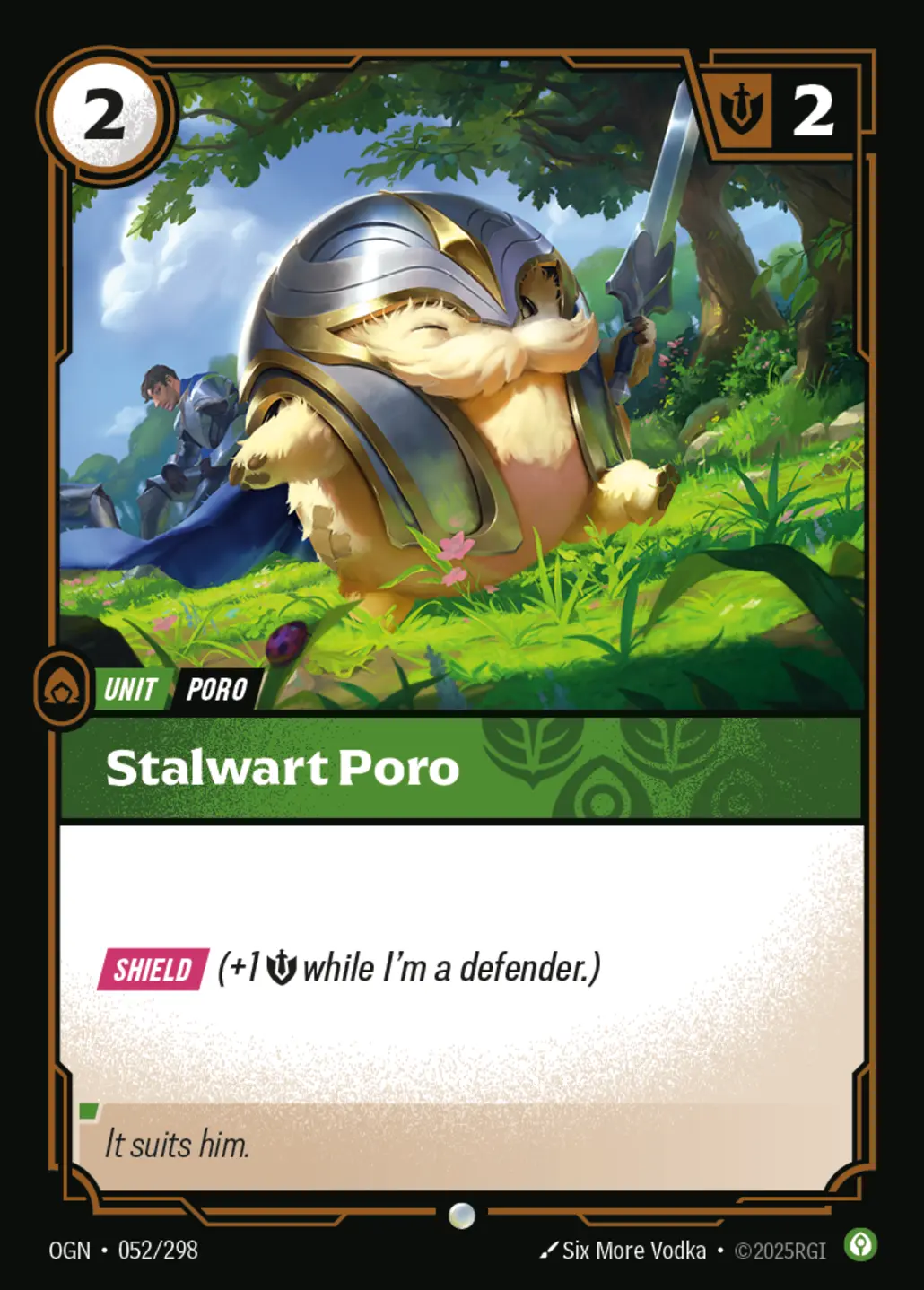
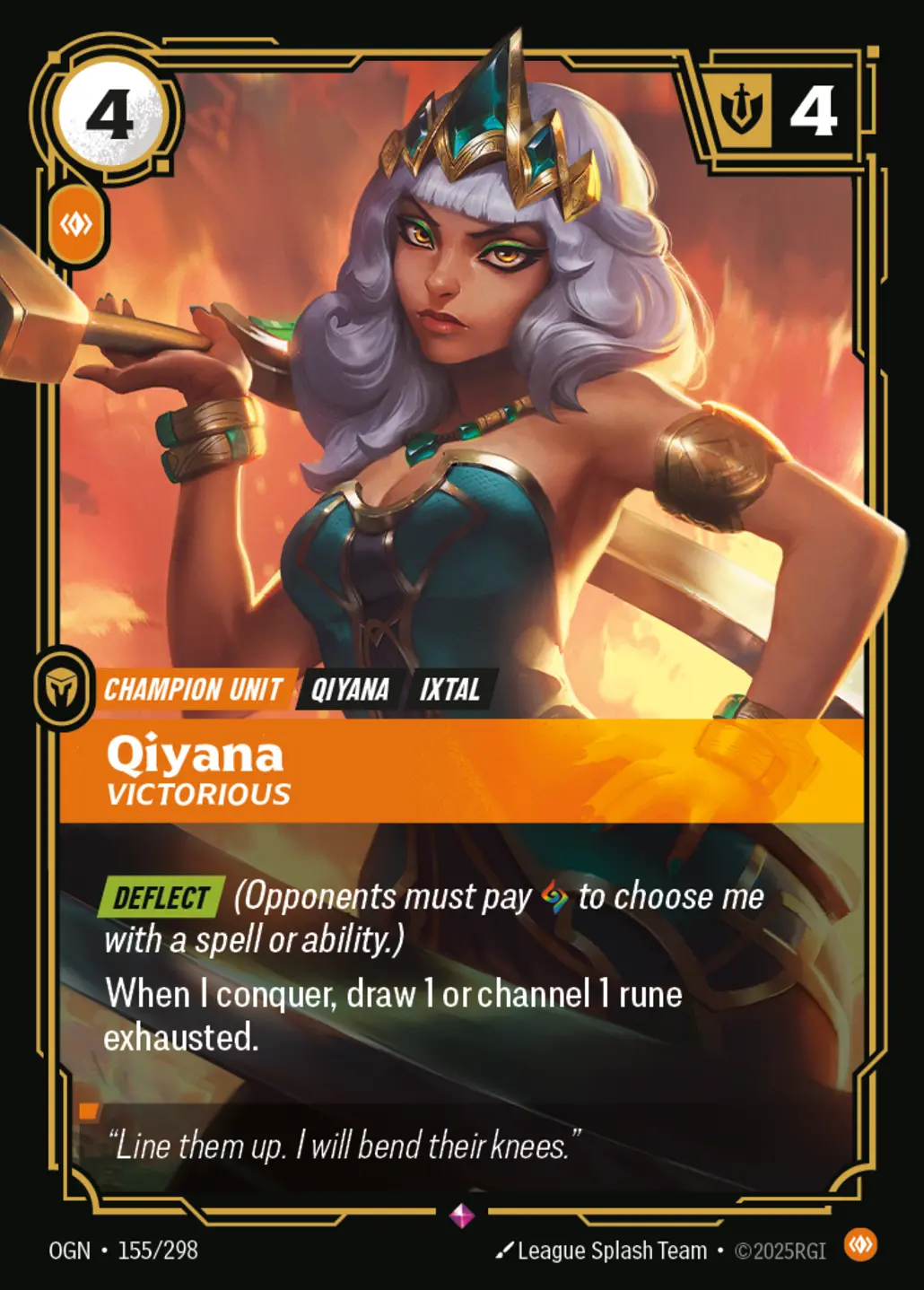
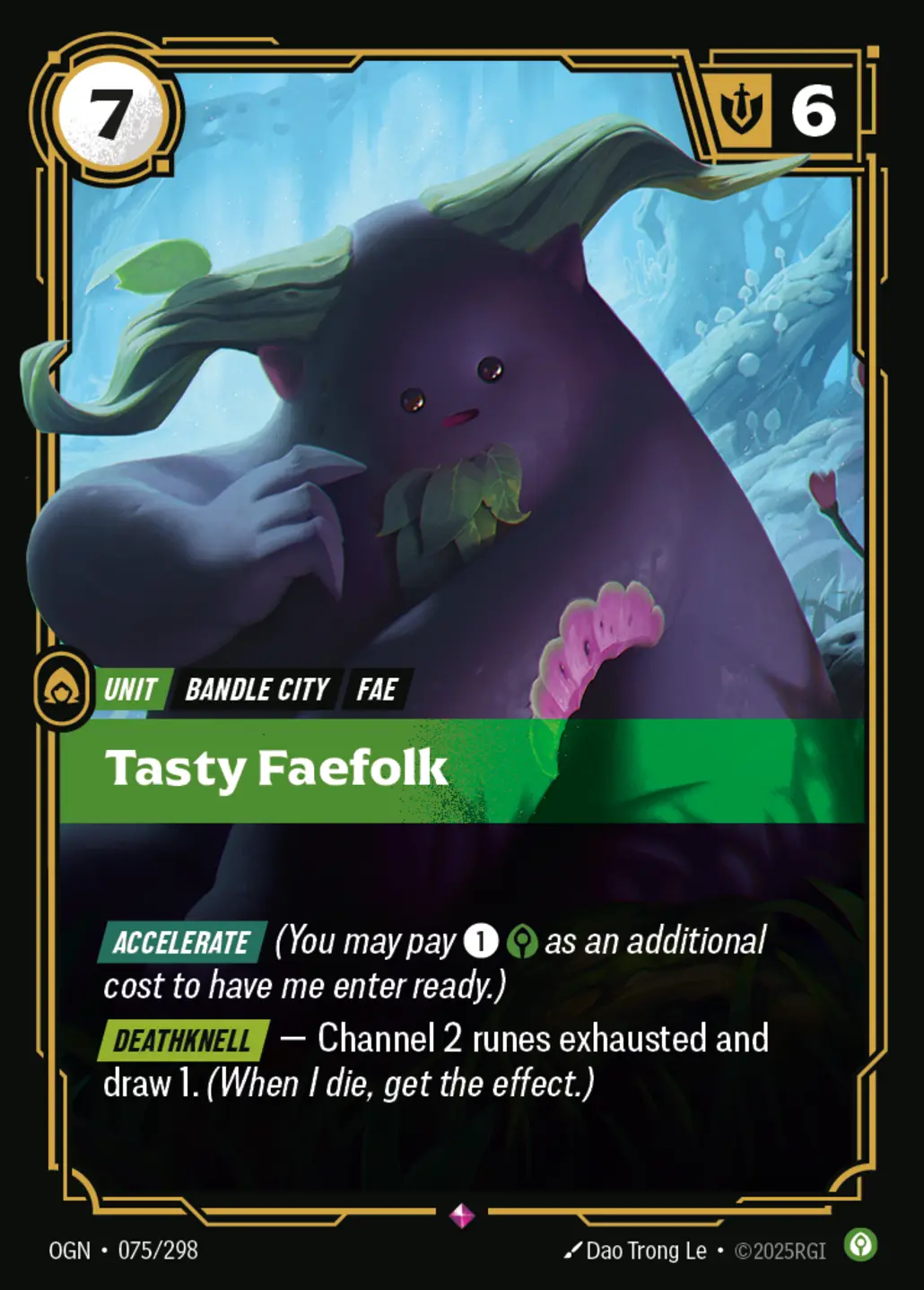
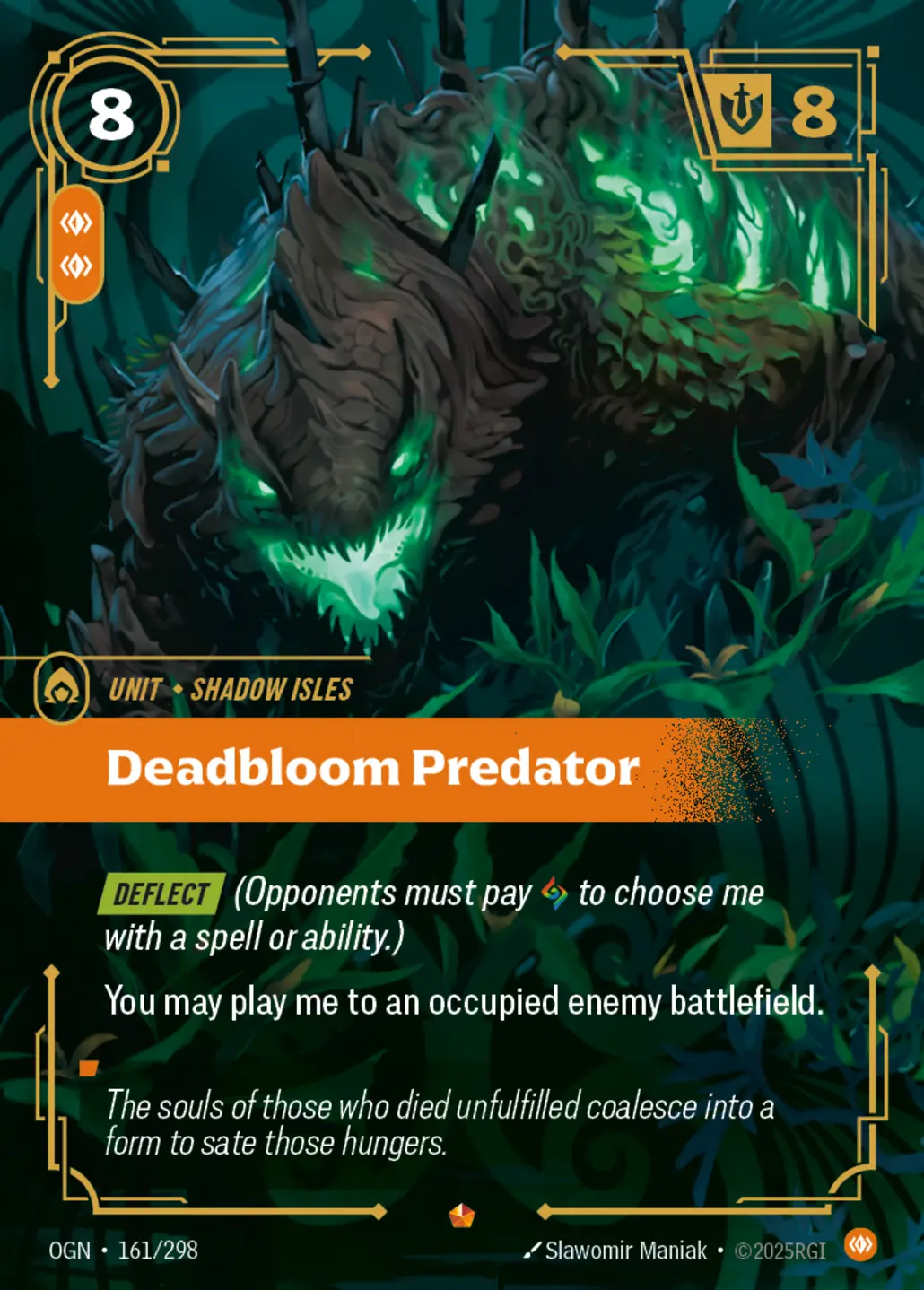
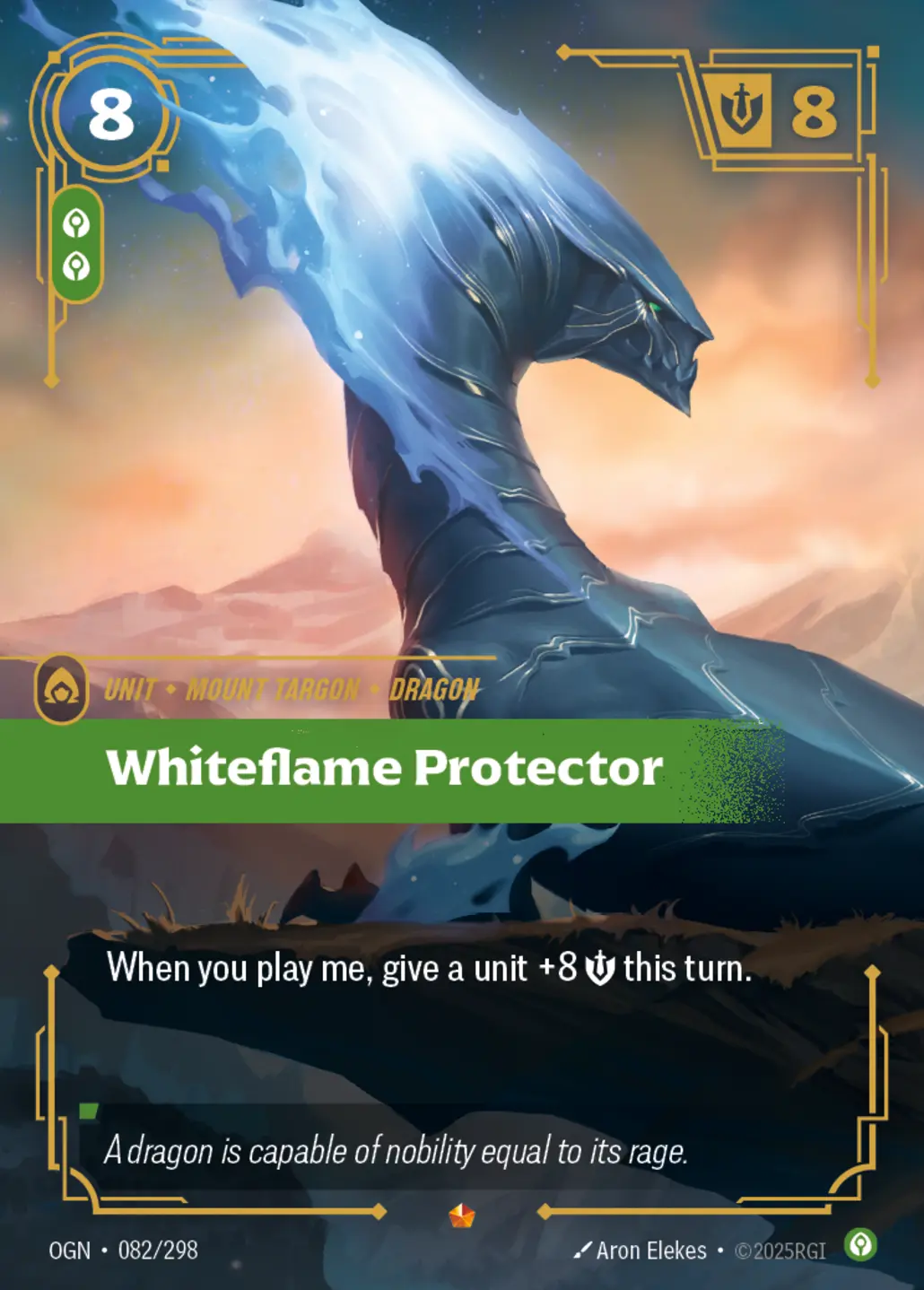
CalmMatch History: Game 1: Lee Sin 2-0 Game 2: Kai'Sa 2-0 Game 3: Kai'Sa 2-0 Game 4: Leona 2-0 Game 5: Sett 1-1 Battlefields: In Game 1 we always start Vilemaw, as we don't mind keeping units on battlefields, and we can still gank using our Master Yi champion. Going first, we always play Grove and build huge advantages through holding since we have first mover's advantage here. Going second, we go Obelisk of Power to start off with 4 runes. This allows us to cheat our early game with Qiyana or go straight to 8 runes with Catalyst of Aeons (this then allows us to Deadbloom turn 2, a very strong play). Opening Hands: Optimally, we would like to always start turn 1 with a 2-cost unit, turn 2 with a ramp card (center or catalyst), then play our expensive cards from then on, keeping them alive as much as possible. This line of play can be interrupted with removal spells from your opponent, which would cause us to play units on turn 2/3, delaying our late game. This is not the end of the world, as our legend ability can delay the game enough for us to start spamming our deadblooms into battlefields. Notes: This deck plans to use the early-game power of Yi's legend ability to create opportunities to play ramp cards to enable our late-game cards. This deck then excels in both the early (with units such as Stalwart Poro that can defend with 5 might for 2 runes) and late game, with us abandoning our mid game for ramp cards. Due to this, we're okay with our opponent gaining a point lead in the early game, as we know we can get it back with cards such as Deadbloom Predator (although we don't want our opponents reaching six points due to cards such as Time Warp and other blowout cards). Our champion is a great way of regaining tempo in the game, as it comes in accelerated and can act as an 8-might blocker. However, due to his 6 might, Yi is a prime target for falling star, so make sure to have some sort of buff card to ensure that he doesn't die to it. A buffed Yi is also really troublesome to get rid of if you ever get the chance to do it. (Having 7 might allows you to live power cards such as singularity and falling star.) Zhonya's is an easy way to save our units, and we don't mind paying the recycle cost or even just the 2 runes to play it. Think of it as playing another 7+ cost unit in base for a cheap 2 mana or 1 power. It can also be used offensively with first mate, allowing for 2 attacks on a contested battlefield. Additionally, playing Zhonya on turn 1 and Qiyana on turn 2 is an alternative opener that sacrifices some early-game tempo for a strong mid-game. Charm is a very easy way to clear our opponent's battlefield, as any units charmed to a battlefield we control are considered attackers, allowing us to use the legend ability to get some very efficient trades. When it comes to Find Your Center, it's important to note that it's an action card and can therefore be played during an opponent's showdowns. I would often bluff that I have 3 runes open to cause my opponents to make suboptimal plays just to find your centre when they try to conquer. Additionally, when at the super late game (11 runes), our catalyst of aeons is a 4-rune draw 1, which is super inefficient but useful in a pinch. Qiyana proposes the hardest question in our deck: whether to play a ramp card on 2 or play Qiyana on 2? The answer is mostly matchup dependent (although if you have a deadbloom in hand, it's usually correct to go for the ramp play), as some aggressive decks can use our ramp turn to gain a serious amount of points. In cases such as these, Qiyana serves as a way to win the midgame as well as create card advantage that can be used later on through conquering. In most cases I would channel with Qiyana to reach my high end, but if I don't see any high-cost cards in my hand or a way to protect them, I would then choose to draw. Now we come to our 3 big hitters: faefolk, whiteflame and deadbloom. Faefolk is usually the card that we want to hold with due to its amazing deathknell ability. This means that a lot of the time we don't mind just playing it unaccelerated on 7 runes due to the amount of value it will make us. To that end, our most optimal Fae turn would be on a turn where we can play it directly to a battlefield we control and recall everything else there. Whiteflame Protector is a very important card in this deck, as it alleviates one of Yi's biggest weaknesses, which is competing against high-might units. It's our deck's main board breaker, while also doubling as a good follow-up attacker the turn afterwards or a good defender if we just play it directly to a battlefield we control. Additionally, a strong combo that we have access to at 11 runes is Whiteflame + First Mate; this combination allows us to target Whiteflame with its own buff, reaching 16 might, and then readying it with First Mate to conquer. Deadbloom Predator is a card that needs no introductions; not only is it a strong tempo play, being played straight to an opponent's battlefield, but it also has Deflect AND trades evenly with an Accelerated Watcher. This card has everything our deck needs and more, ESPECIALLY Kai'Sa, to the point where in most of my games I would keep it in my opening hand due to how much it swings the game. Being able to play this card on turn 2 with obelisk is probably the strongest early-game turn in the game.