© 2026 STGMNN Labs UG (haftungsbeschränkt) · PiltoverArchive.com. Piltover Archive was created under Riot Games' “Legal Jibber Jabber” policy using assets owned by Riot Games. Riot Games does not endorse or sponsor this project.
 Body
Body Calm
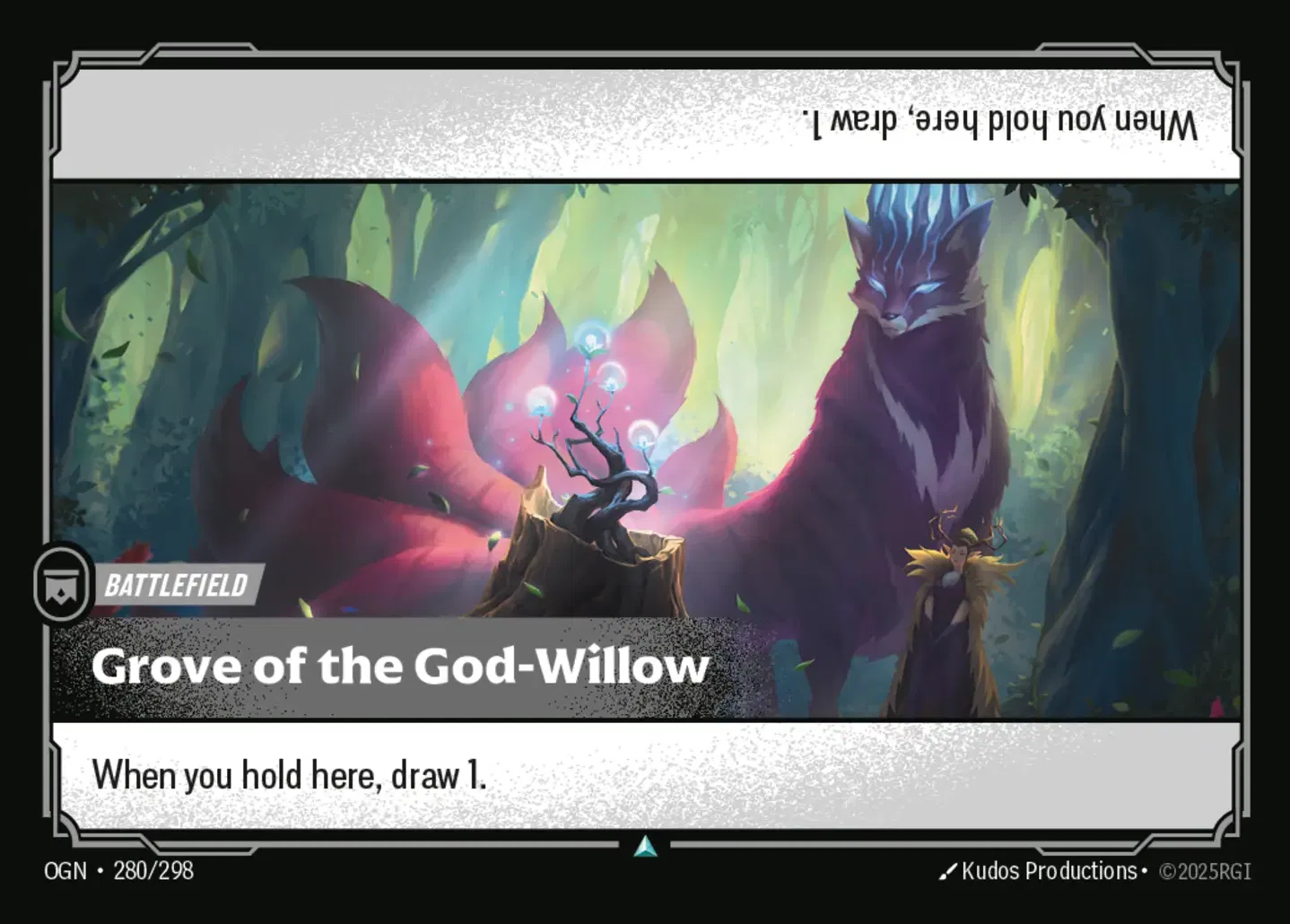
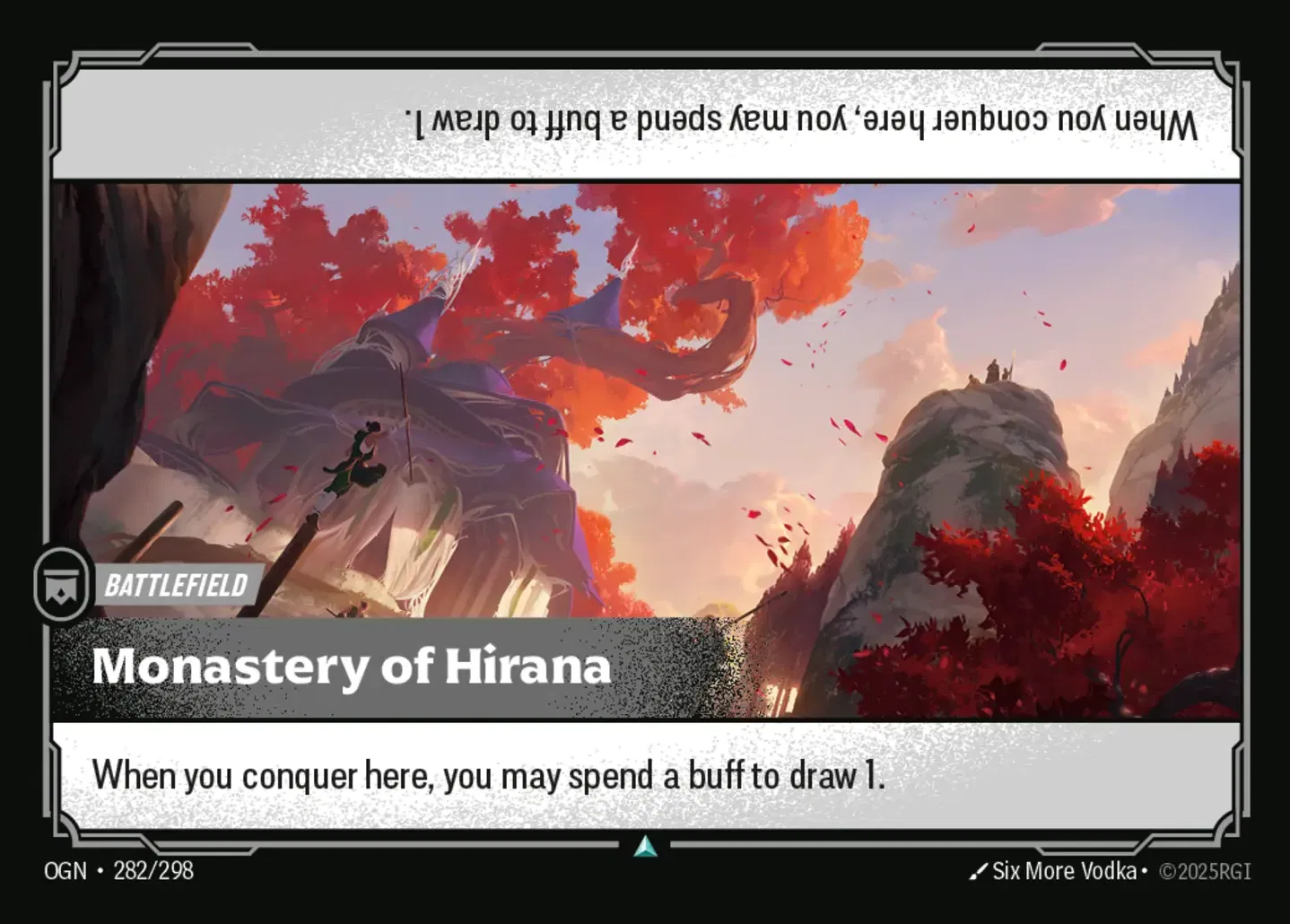
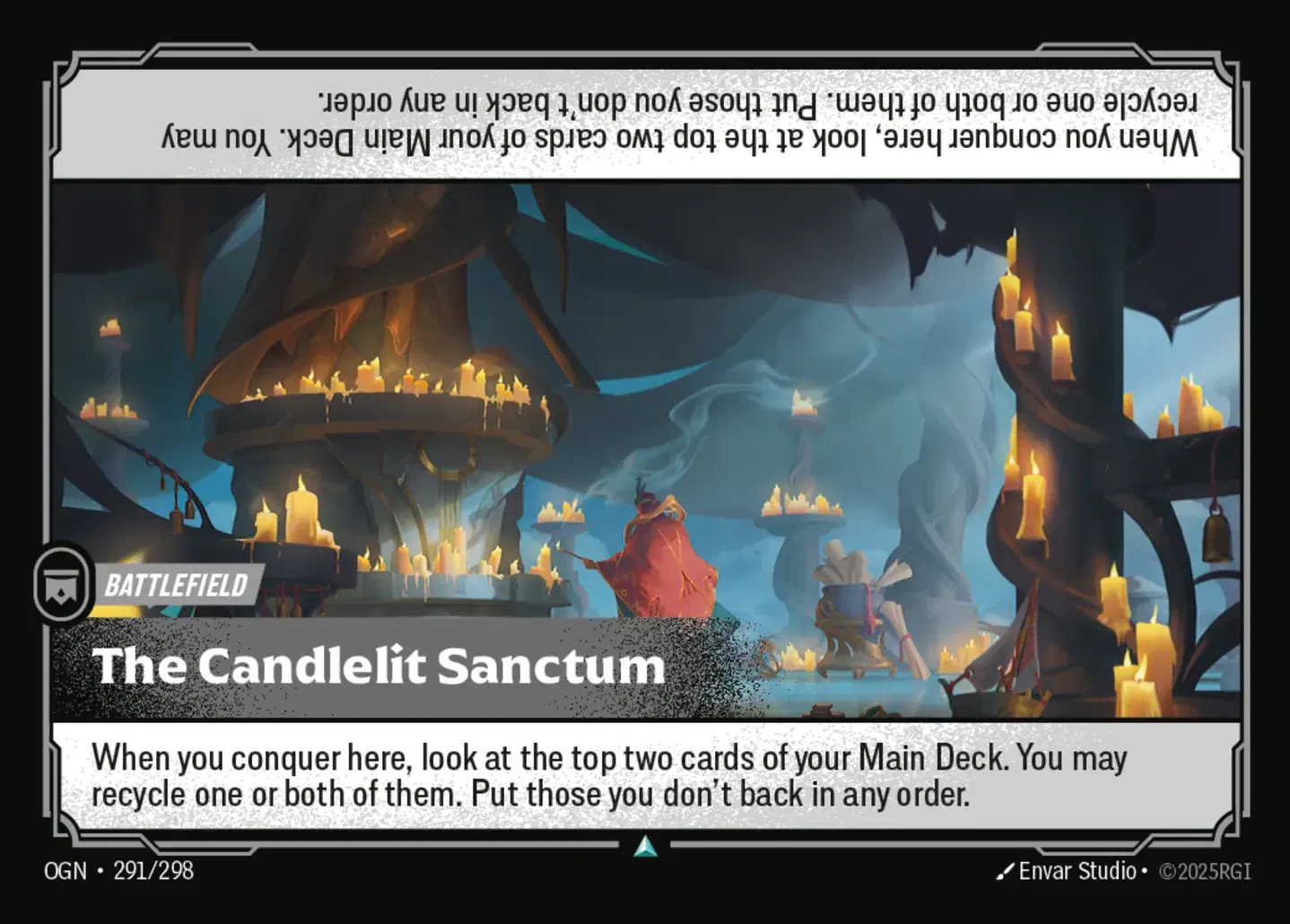
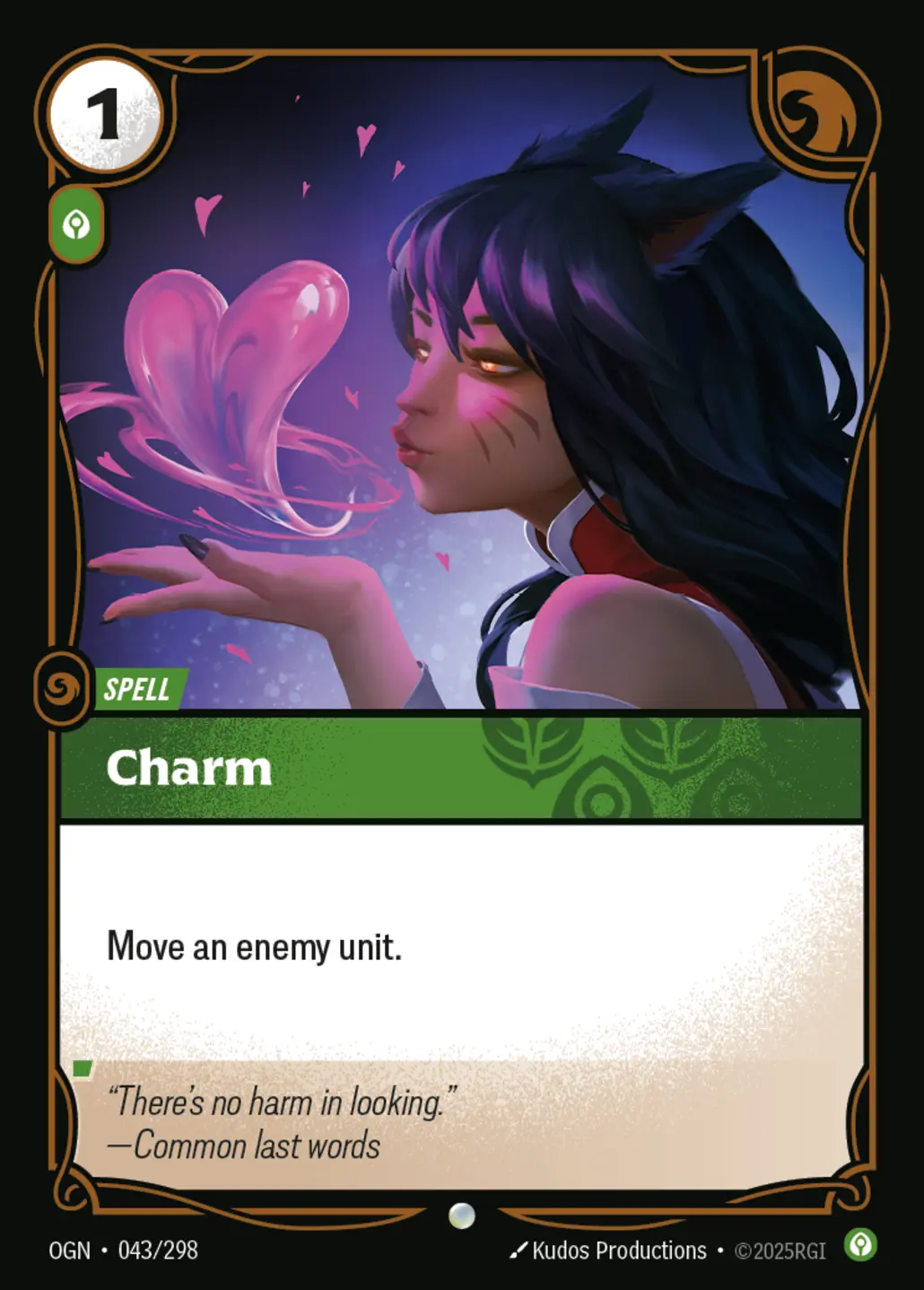
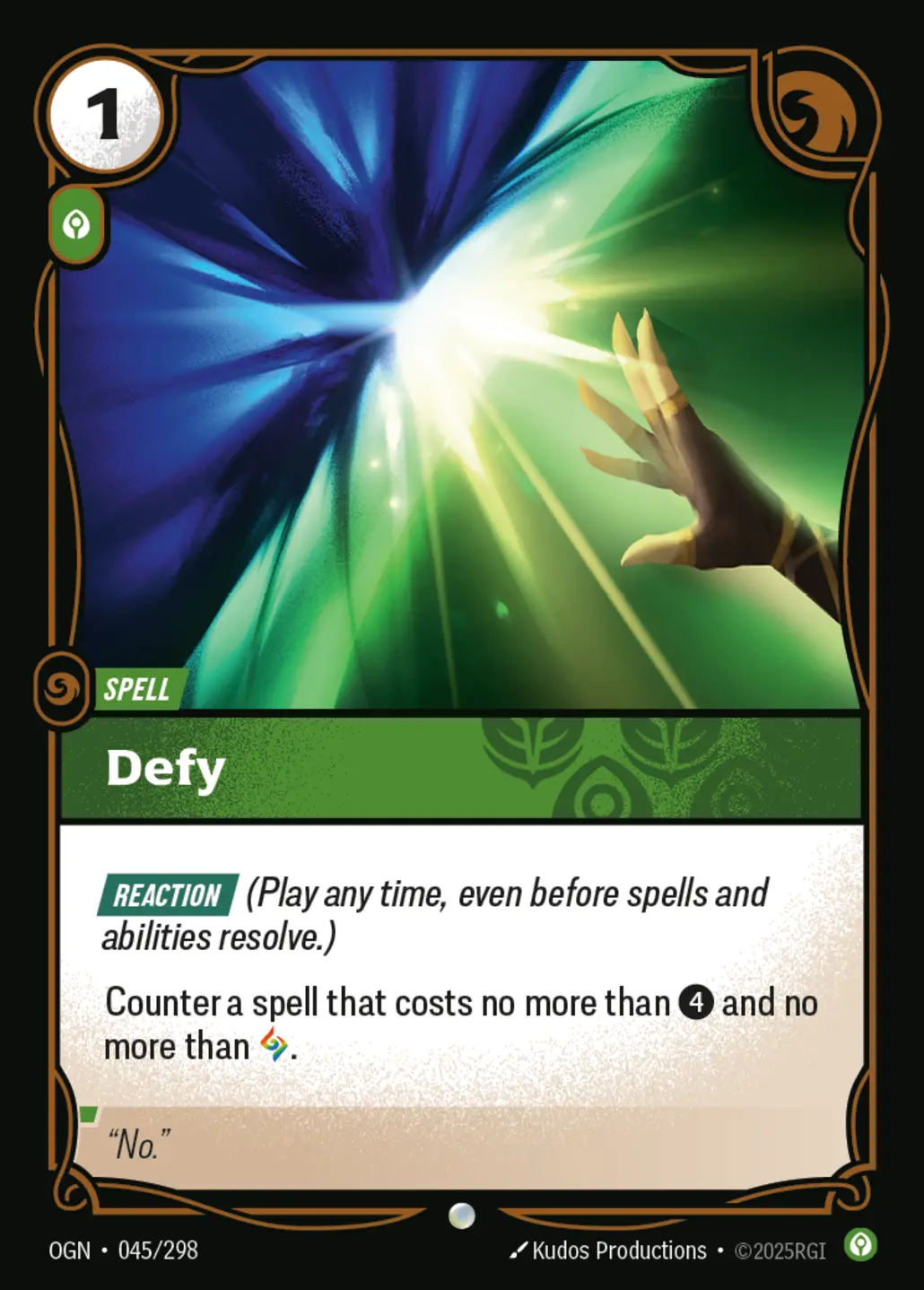
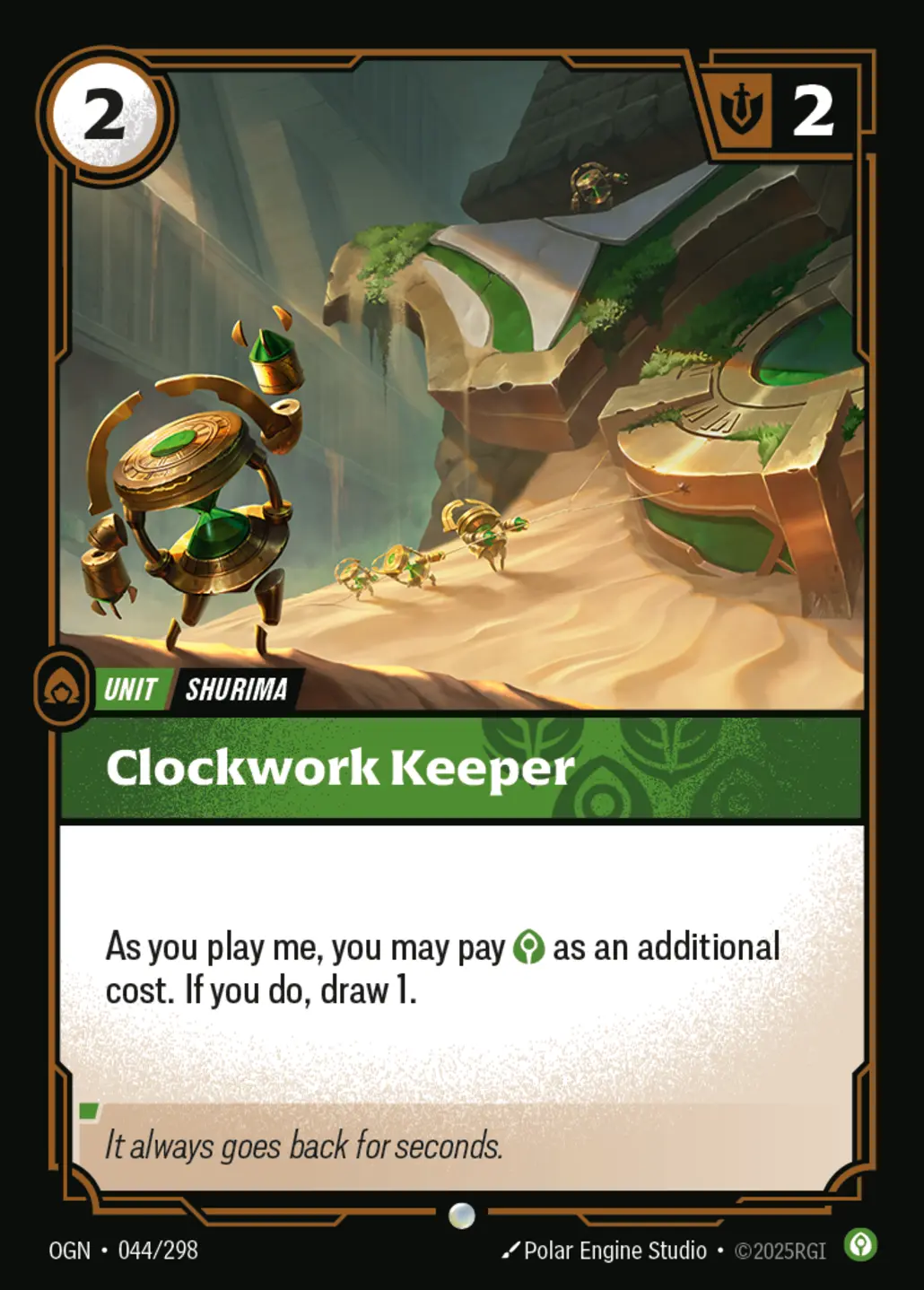
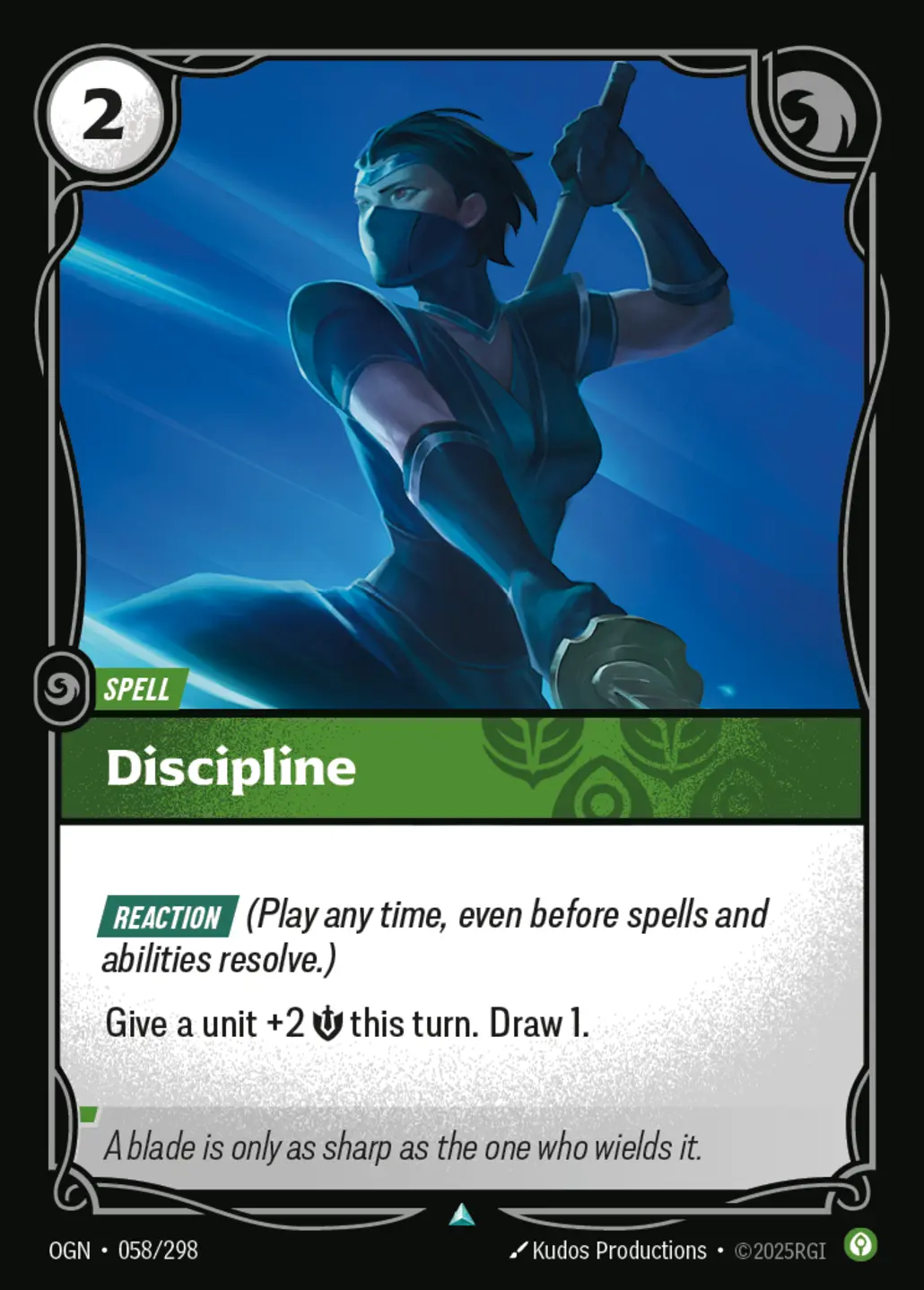
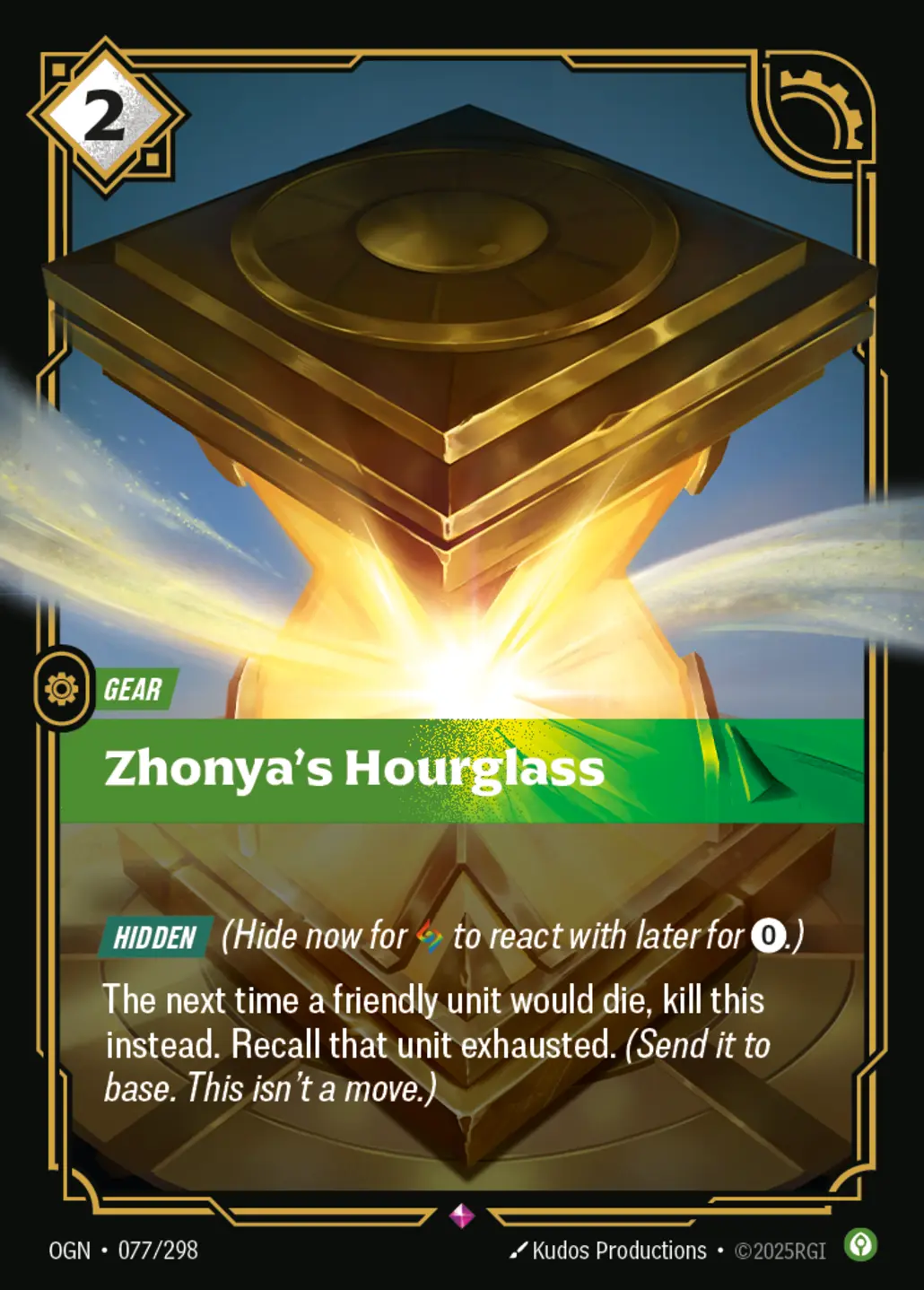
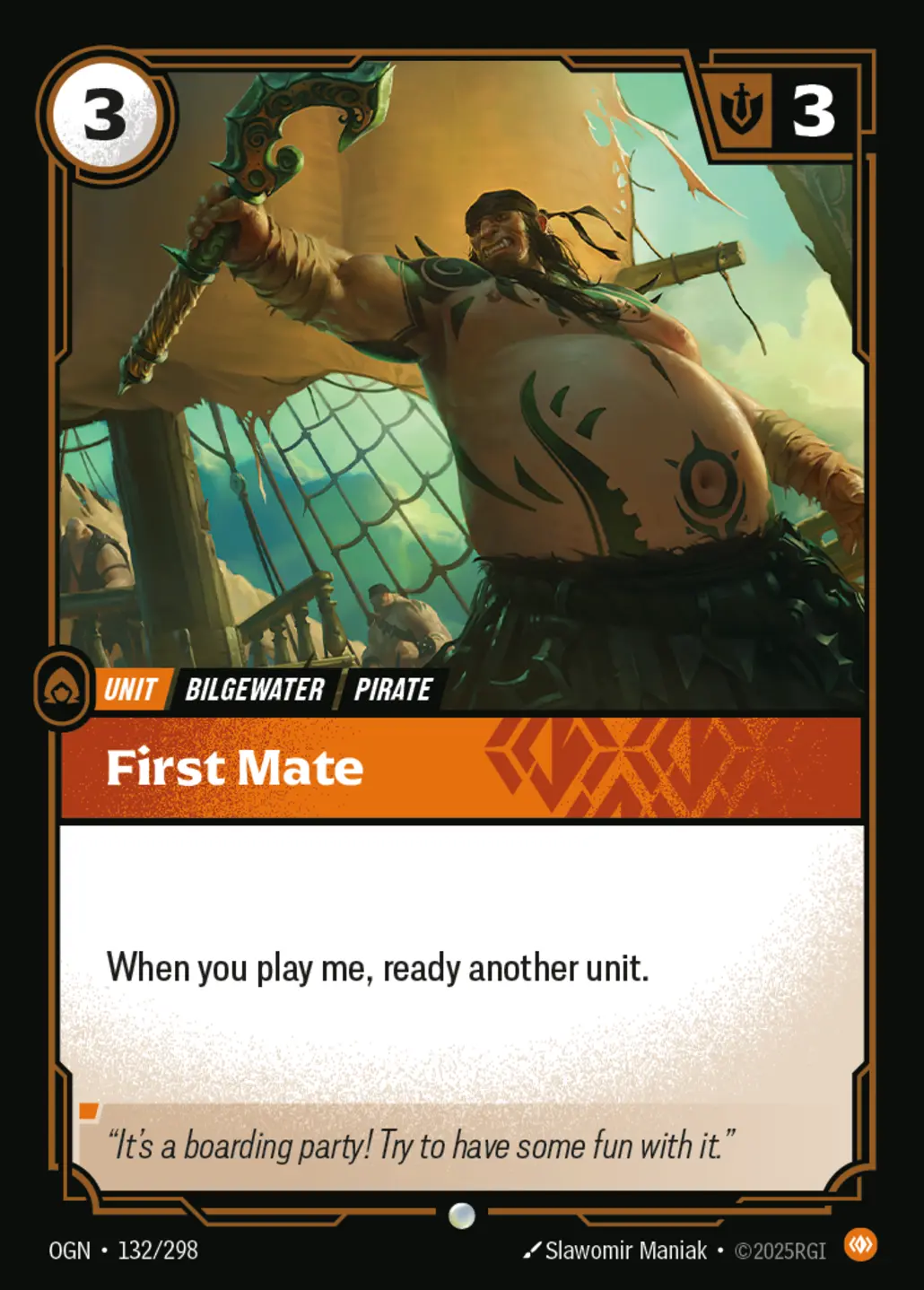
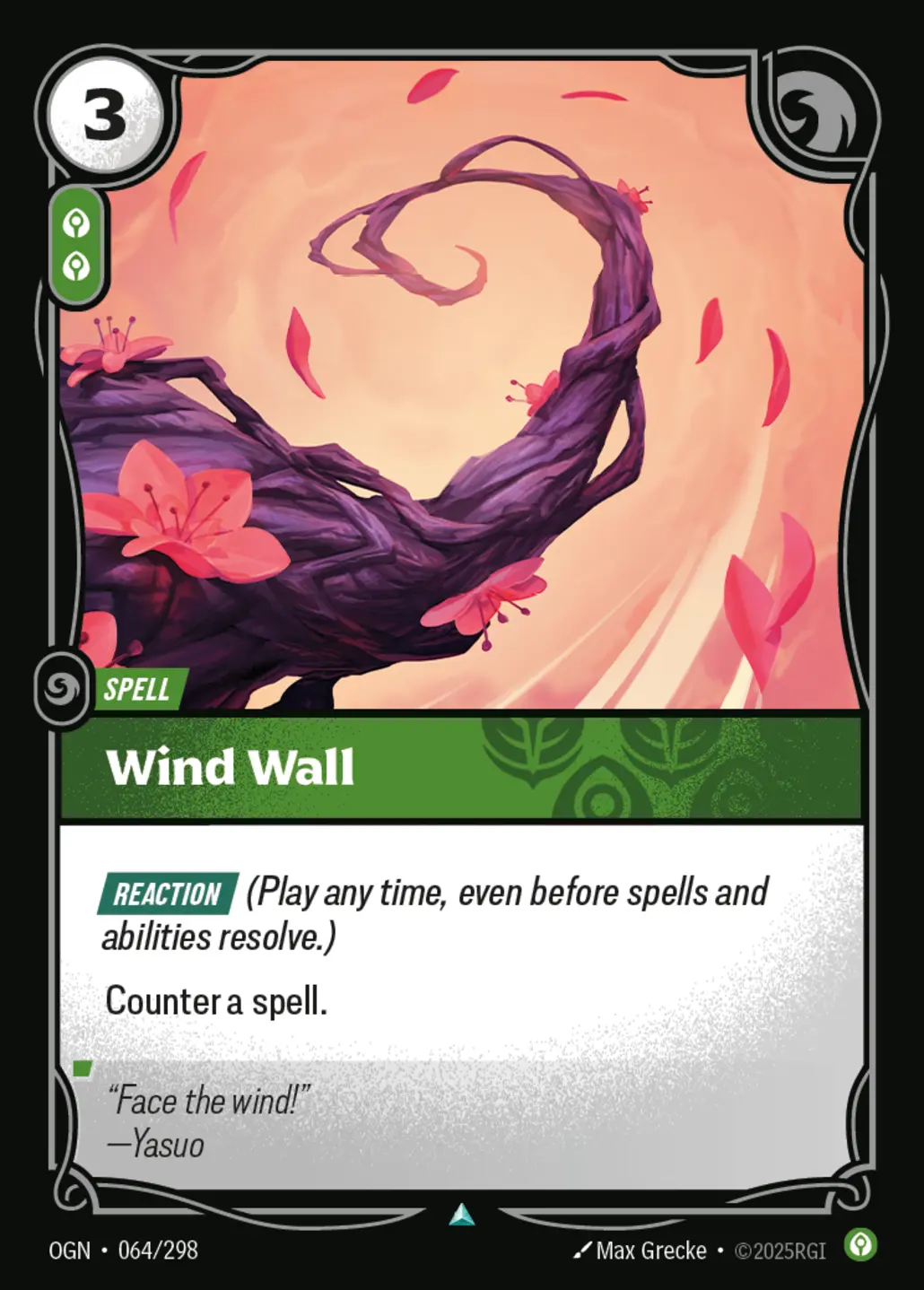
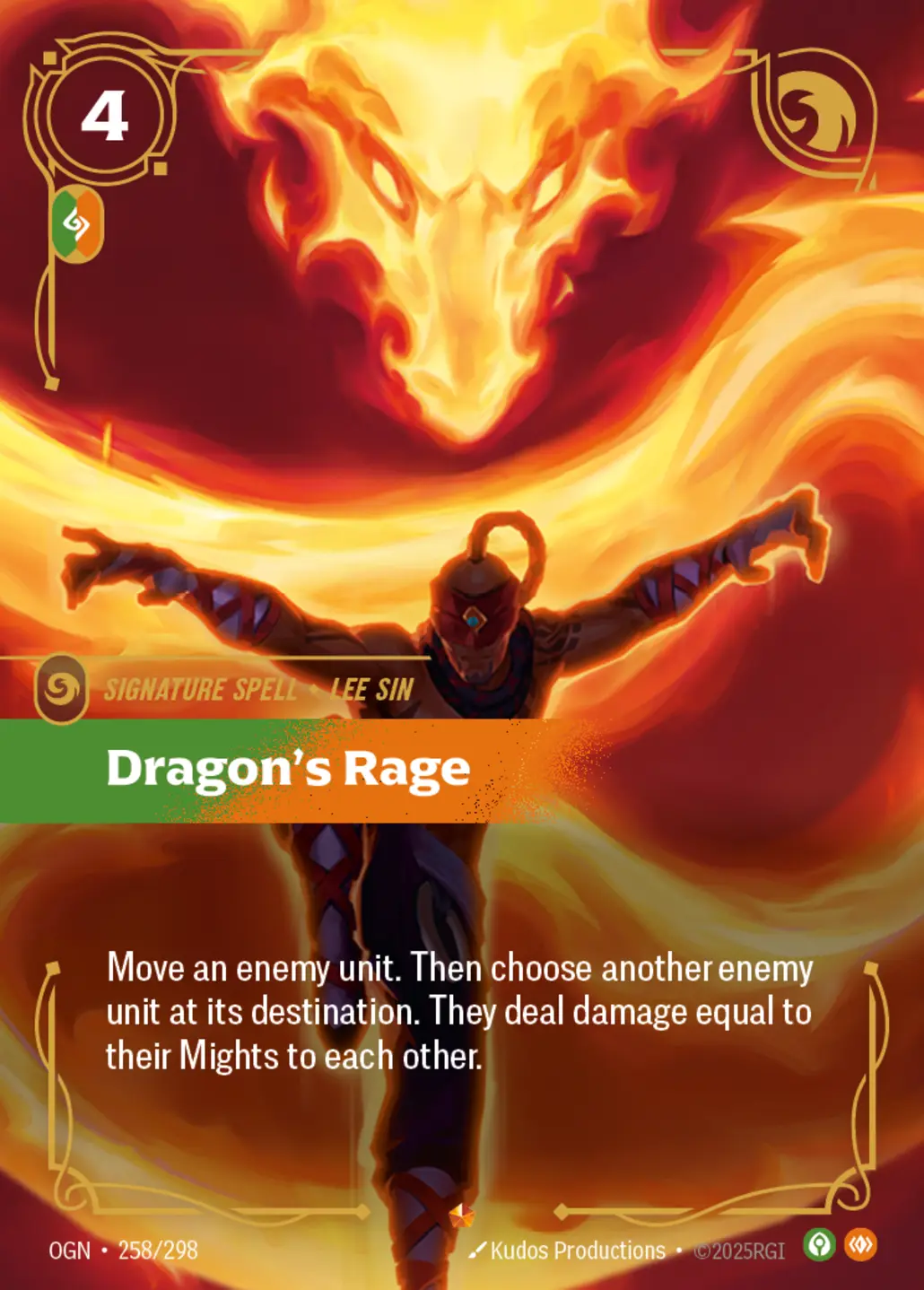
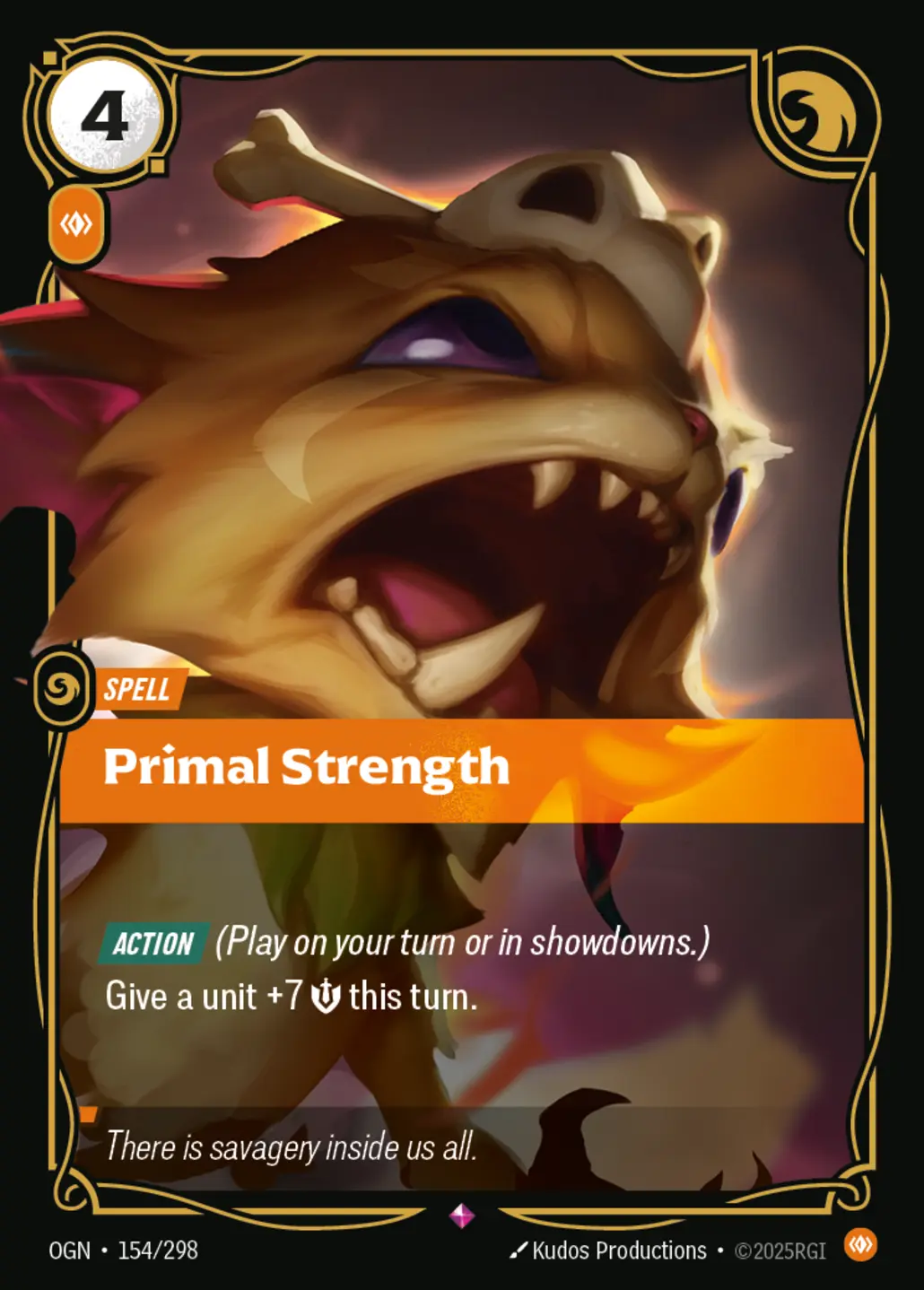
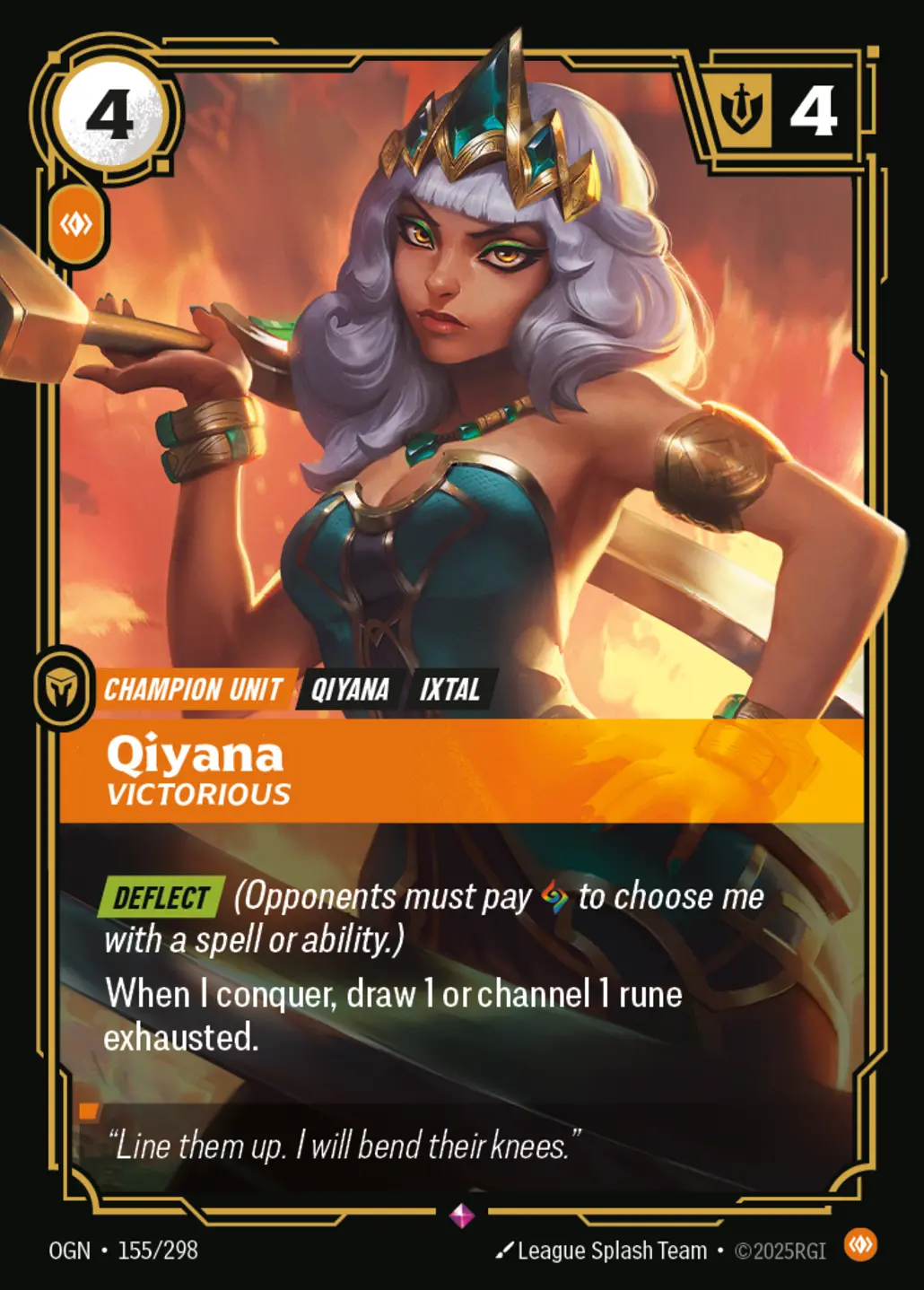
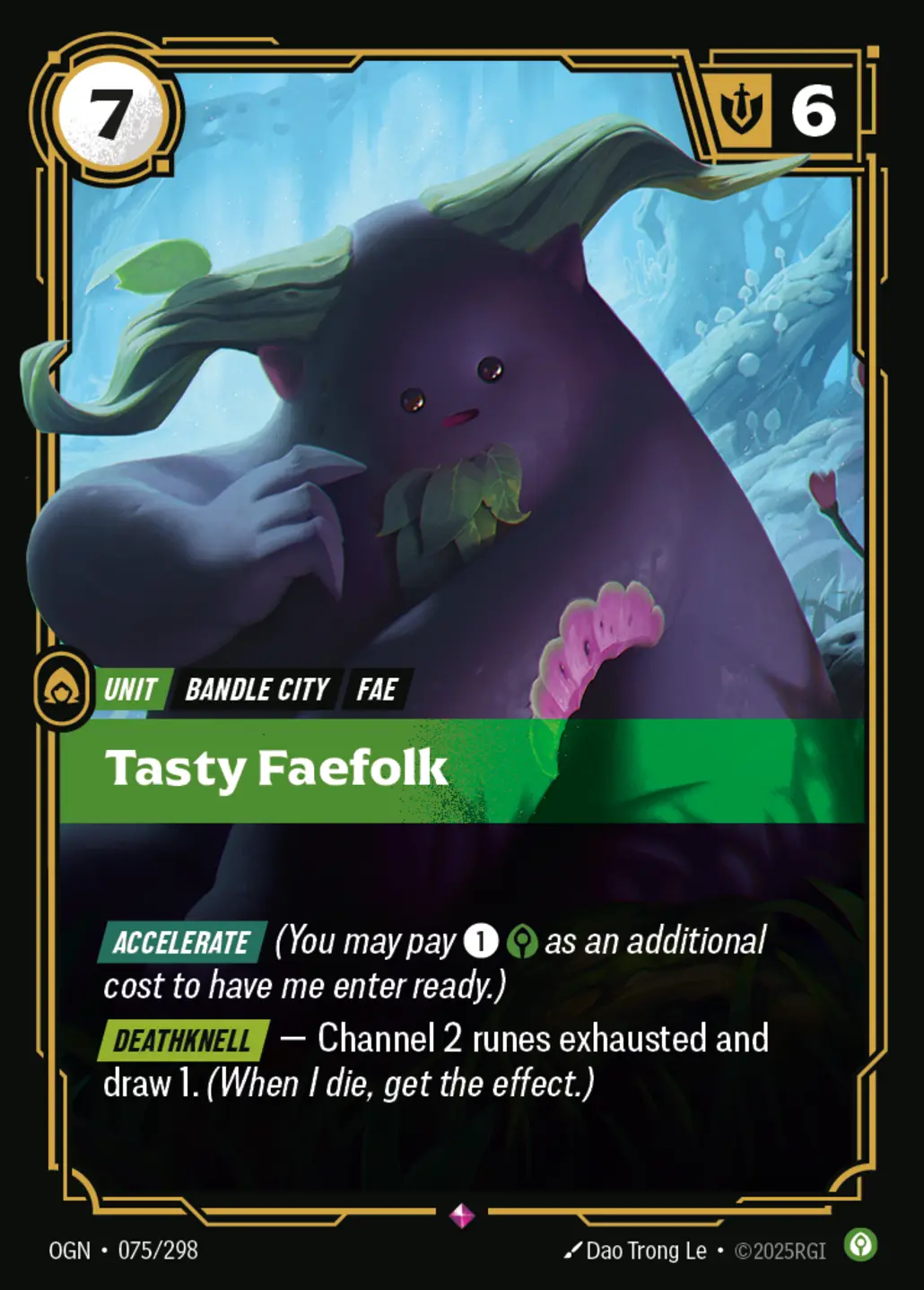
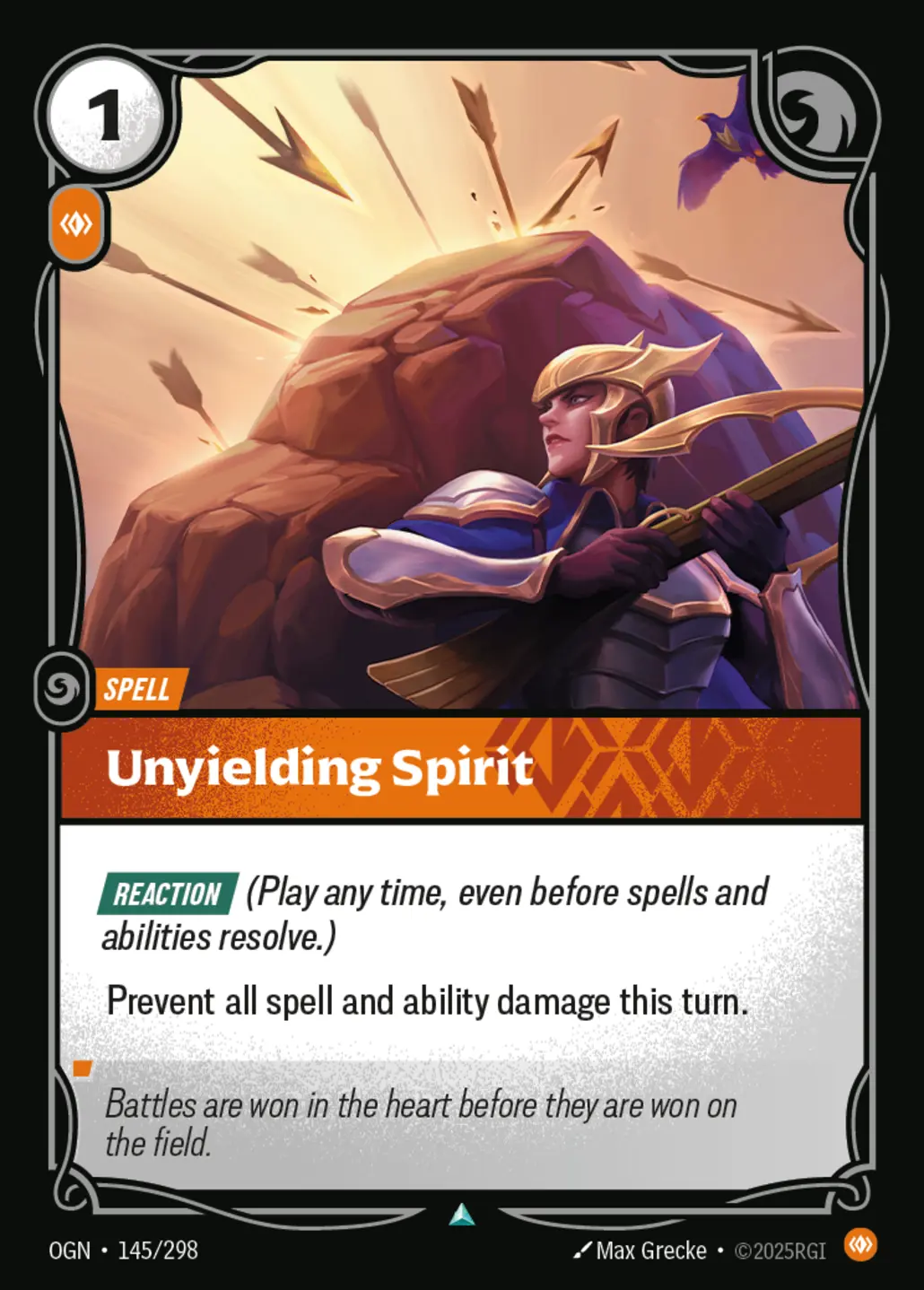
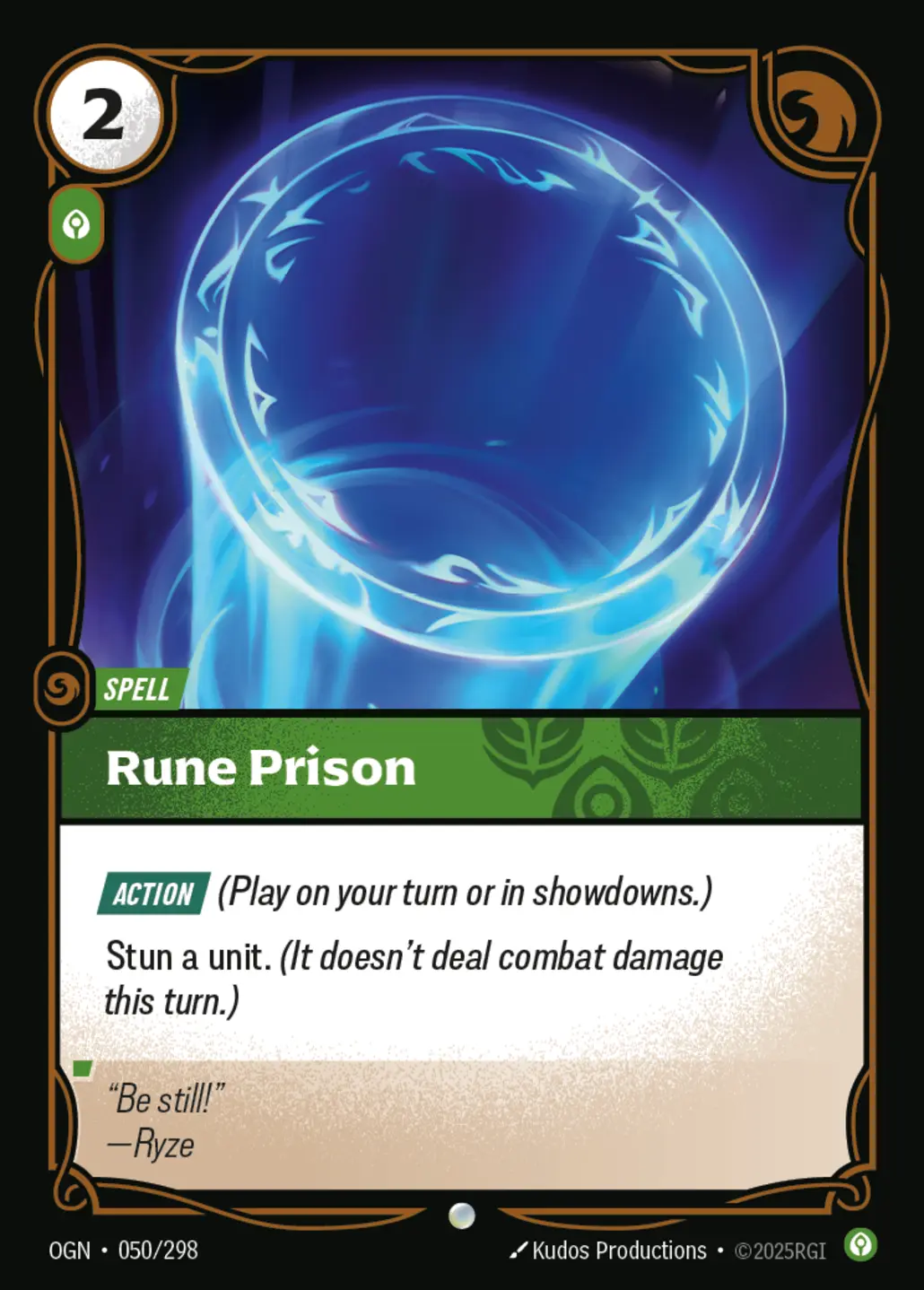
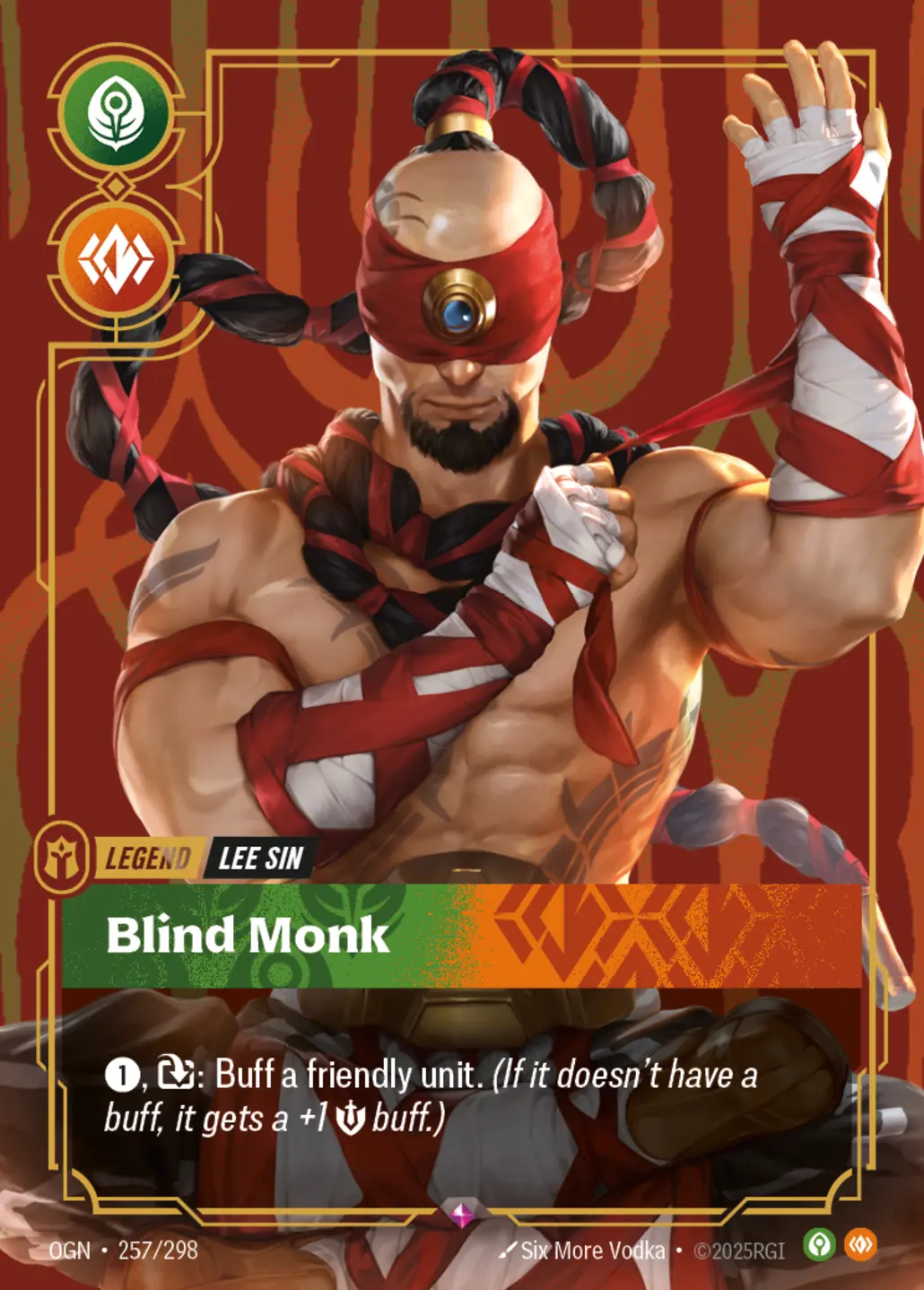
CalmMatch History: Game 1: Kai'Sa 2-0 Game 2: Annie 2-0 Game 3: Kai'Sa 1-1 (Draw) Game 4: Kai'Sa 1-1 (Draw) Battlefields: Usually always Hirana on game 1, and then Grove if you're going first in game 2, and Candlelit if you're going 2nd. Dreaming Tree, although tempting, can be abused by other decks a lot more than we can. Testing out Aspirant's Climb and Altar to Unity (a vanilla battlefield) for going 2 games. Opening Hands: For my opener I will always mulligan as many cards as possible to find a turn one minion; after that I would like a battle trick spell and finally a turn 2 play (Qiyana if possible). Upgrades: Due to limited product, this deck is missing some key cards (although it still functions perfectly well without them). Fully Optimised: Remove 2 Elders for 2 Qiyanas. Remove Faefolk and 1 clockwork keeper for 2 Sett. (Optional) Remove 1 Charm to SideBoard for 1 Zhonya's Budget Friendly: Remove Qiyana for Wild Claw Shaman. Remove 2x Zhonya's for Mistfall + Mask of Foresight. Remove 2x Dragon's Rage for 2x Challenge. Remove FaeFolk and Primal Strength for either 2x Find Your Centres (can also remove some 3 drops to run 3 of them) or other high-curve cards (Udyr, Yasuo, Stormclaw Ursine). Play Pattern: This deck values tempo above all else, which often means having a unit on the board (and therefore the opportunity to score) on your turn. To best do that, you must take into account 2 main things: overstaying and spell breakpoints. Overstaying: Most damaging spells in this game can only affect the battlefield (looking at you, falling star), meaning that it's the most dangerous place a unit can be in. When provided sufficient runes, this deck's spells can allow a unit to circumvent this danger and score a holding point. However, when low on mana and tricks, it's often the correct play to recall a unit after holding a point and trying to conquer when you have full runes on the next turn. Spell breakpoints: Although we do run multiple ways of countering spells, we usually want to use them for maximum value (Voidseeker's, hidden blades, cull the weak). To achieve that, we must know the total amount of damage our opponent is threatening us with when they have a specific number of runes open. For example, when playing Kai'Sa, the most important breakpoint is 3 damage at one mana. This means that if Kai'Sa ever leaves 1 rune open (especially if it's their first turn going 2nd), we always have to play around Hextech Ray. To do so, our deck has a few options: either buff our 3 might units, such as sunlit guardian, up to 4 might, or keep an En Garde/Discipline for our 2 might units. After 3 might, the next breakpoint is 4 might with void seeker. This is most important for our 4 drops which start at 4 might, meaning that they should be buffed if our opponent threatens a seeker. Finally 6 might (falling star). Falling Star might be the best card in the game (and it can't be defied) and should therefore always be played around. To do so we should limit the amount of value it can generate by either buffing our 6 might units up to 7, forcing them to use 2 spells on them. Alternatively, we should try to never have 2 units that are on 3 might, so either buff one of them to 4, forcing the opponent to make a choice, or use buff spells to keep them alive. Matchup knowledge is also important, but as a general rule any decks looking to conquer always want to be on an even amount of points (1->2->4->6->8), which means we never want our opponent to reach 6 points, as they can win with the myriad of blowout cards available (think time warp, watcher, ride the wind + vi/mundo). What this also means is that we shouldn't stress as much when our opponent is going to an odd score such as 3 or 5, as it doesn't mesh with their game plan as well. Alternatively, hold decks want to reach 7 points so they can hold to win. Here it's the opposite case, where our opponents want to be on an odd play pattern (1->3->5->7->8), with us not minding if they go to an even score as much (6 is still a danger zone no matter the deck). Our deck can play under both win conditions, with its incredible holding ability with orange Lee Sin + any buffed (tank if possible) units. Or incredible pushes with First Mate and Sett or the multiple accelerate options available (Lee, Udyr, faefolk).